
Cookies help us deliver our services. By using our services, you agree to our use of cookies.
Filter by attributes
- Technology
Filter by brand
Recently viewed
Bacteria
Veterinary diagnostic kits that allow the detection of bacteria in pets, cattle and other ruminants, pigs, horses and birds.
Sort by
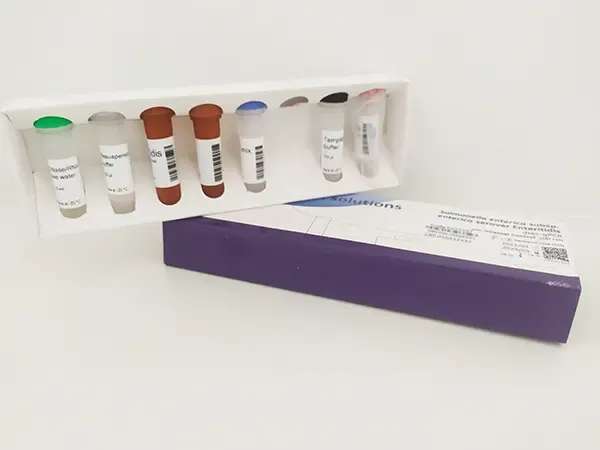
Real Time PCR Detection Kit Bibersteinia trehalosi (Pasteurella trehalosi)
Bibersteinia trehalosi detection test kit by using qPCR. Formerly known as Pasteurella trehalosi is a relevant pathogen of sheep, causing systemic infections. It also causes pneumonia in ruminants, septicaemic pasteurellosis in feeder lambs, and mastitis in sheep.

REAL TIME PCR DETECTION KIT Bibersteinia trehalosi Bovichek
This real-time PCR (qPCR) kit allows detection of Bibersteinia trehalosi bacteria
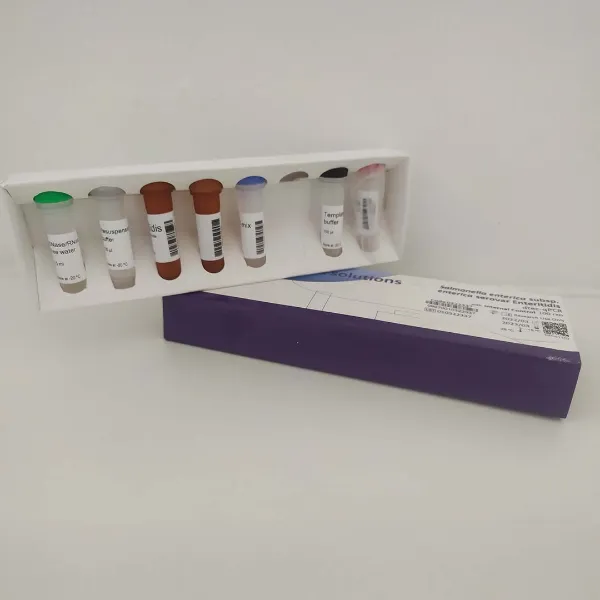
Real Time PCR Detection Kit Bordetella bronchiseptica
The Real Time PCR detection Kit Bordetella bronchiseptica comprises a series of specific targeted reagents designed for Bordetella bronchiseptica detection by using qPCR.
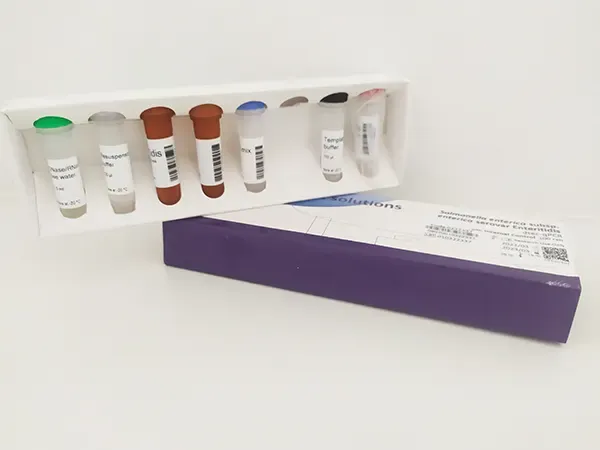
Real Time PCR Detection Kit Brachyspira hyodysenteriae
Brachyspira hyodysenteriae detection test kit by using qPCR. Formerly Treponema hyodysenteriae and Serpulina hyodysenteriae is a pathogenic bacteria colonizes the large intestine of pigs causing dysentery. Swine dysentery is easily spread by the fecal-oral route due to the ability of B. hyodysenteriae to survive several weeks in moist feces from infected pigs. The disease can lead to stunted growth rates and death, which can be extremely costly when the swine are raised for food purposes.
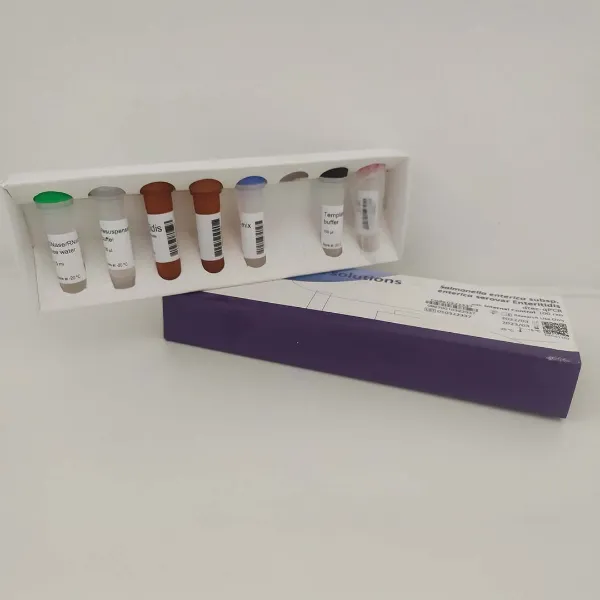
Real Time PCR Detection Kit Brachyspira intermedia
The Real Time PCR detection Kit Brachyspira intermedia comprises a series of specific targeted reagents designed for Brachyspira intermedia detection by using qPCR.
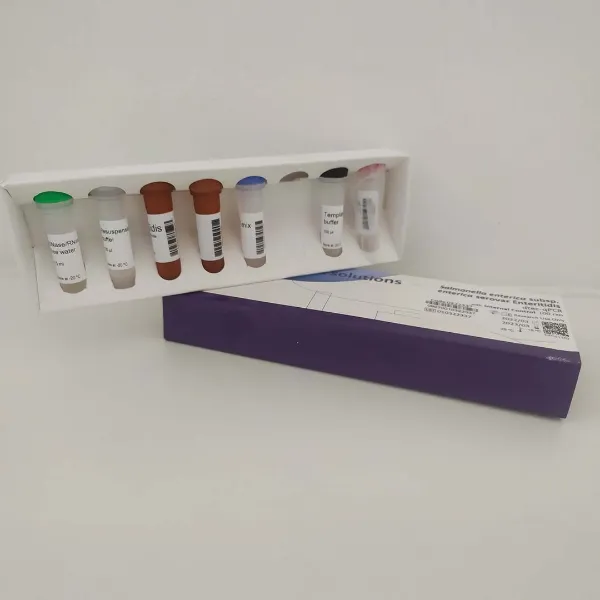
Real Time PCR Detection Kit Brachyspira murdochii
The Real Time PCR detection Kit Brachyspira murdochii comprises a series of specific targeted reagents designed for Brachyspira murdochii detection by using qPCR.
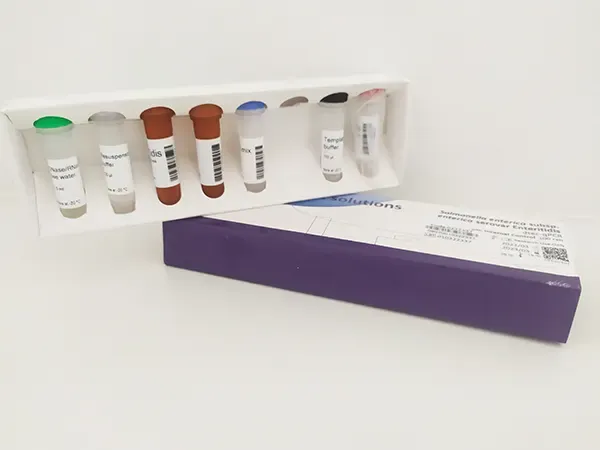
Real Time PCR Detection Kit Brachyspira pilosicoli
Brachyspira pilosicoli detection test kit by using qPCR. Formerly Serpulina pilosicoli it causes intestinal spirochaetosis in pigs, but it has also been isolated from dogs, birds and mice and also can cause zoonotic infection in humans. Dogs are thought to be a source of infection for people. Infection of B. pilosicoli is acquired through the fecal-oral route. Affected pigs may be inappetent and grow slowly.
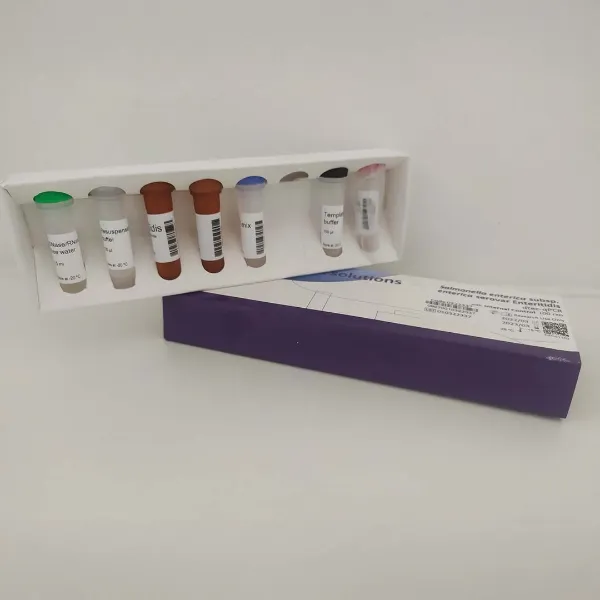
Real Time PCR Detection Kit Brucella abortus
The Real Time PCR detection Kit Brucella abortus comprises a series of specific targeted reagents designed for Brucella abortus detection by using qPCR.
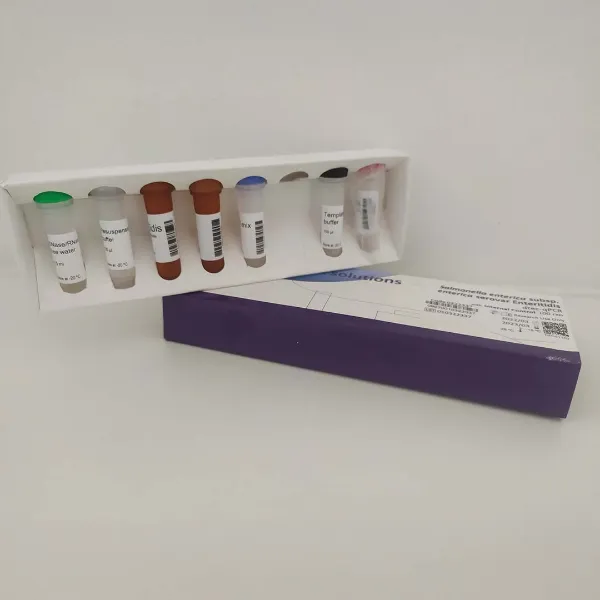
Real Time PCR Detection Kit Brucella melitensis
The Real Time PCR detection Kit Brucella melitensis comprises a series of specific targeted reagents designed for Brucella melitensis detection by using qPCR.
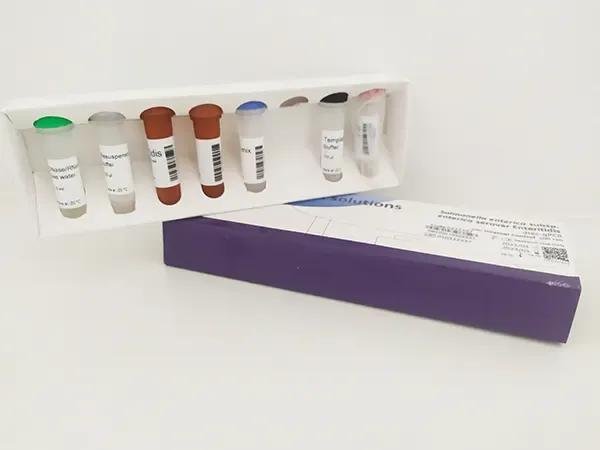
Real Time PCR Detection Kit Brucella spp.
Brucella spp. detection test kit by using qPCR. Brucella is the cause of brucellosis, which is zoonosis. It is transmitted by ingesting contaminated food, direct contact with an infected animal, or inhalation of aerosols. Some of the names for brucellosis include (human disease/animal disease): Malta fever/Bang’s disease, Undulant fever/enzootic abortion, Mediterranean fever/epizootic abortion, Rock fever of Gibraltar/slinking of calves, Gastric fever/ram epididymitis and Contagious abortion/spontaneous abortion.
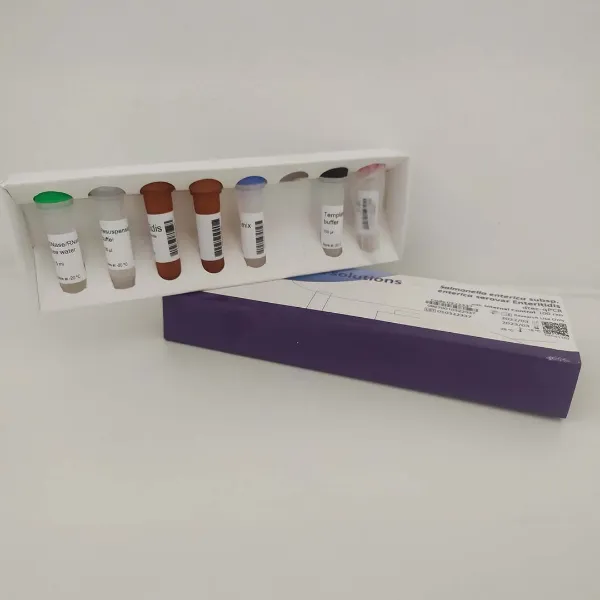
Real Time PCR Detection Kit Burkholderia mallei
The Real Time PCR detection Kit Burkholderia mallei comprises a series of specific targeted reagents designed for Burkholderia mallei detection by using qPCR.
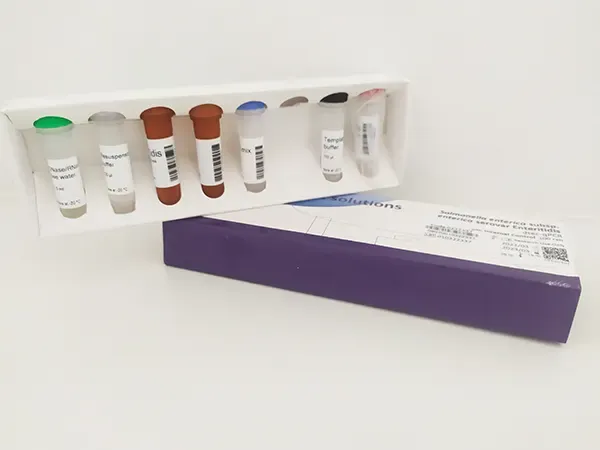
Real Time PCR Detection Kit Campylobacter coli
Detection test kit of Campylobacter coli by using qPCR. Campylobacter coli usually lives in the intestinal tract of animals. C. coli is very similar to its bacteria relative, Campylobacter jejuni; both cause inflammation of the intestine and cause diarrhea in infected animals and humans. C. coli is of the worldwide prevalence and is common in both developed and developing countries with most outbreaks related to food or water-borne causes.
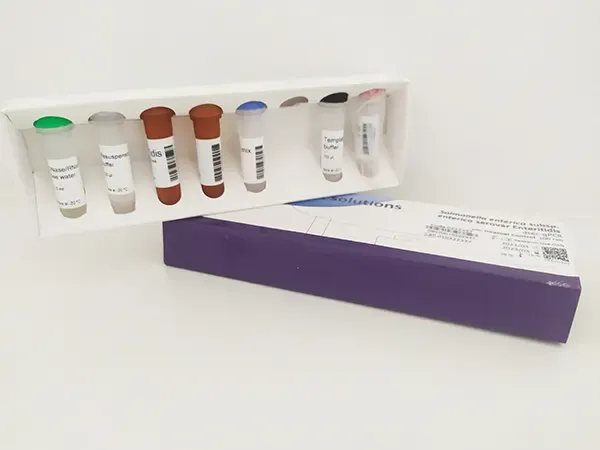
Real Time PCR Detection Kit Campylobacter fetus
Campylobacter fetus detection test kit by using qPCR. C. fetus causes abortion in cattle and sheep, in addition, is an opportunistic human pathogen and can cause bacteremia and thrombophlebitis. There exist two subspecies of C. fetus: one was Campylobacter fetus subsp. fetus and the other Campylobacter fetus subsp. venerealis. Both are responsible for abortions by using different mechanisms of transmission.
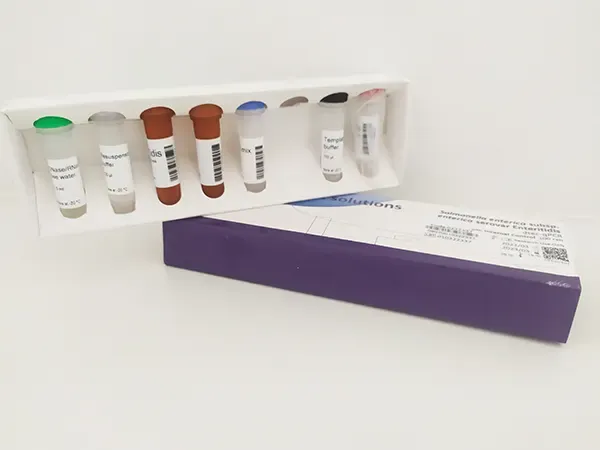
Real Time PCR Detection Kit Campylobacter fetus subsp. venerealis
Detection test kit of Campylobacter fetus subsp. veneralis by using qPCR. Campylobacter fetus subsp. venerealis is the causative agent of bovine genital campylobacteriosis, asymptomatic in bulls the disease is spread to female cattle causing catarrhal inflammation in the female genital tract, temporary infertility, and prolonged oestrus cycle. Endometritis prevents implantation until the infection is cleared and causes early embryonic death and occasionally sporadic abortion.
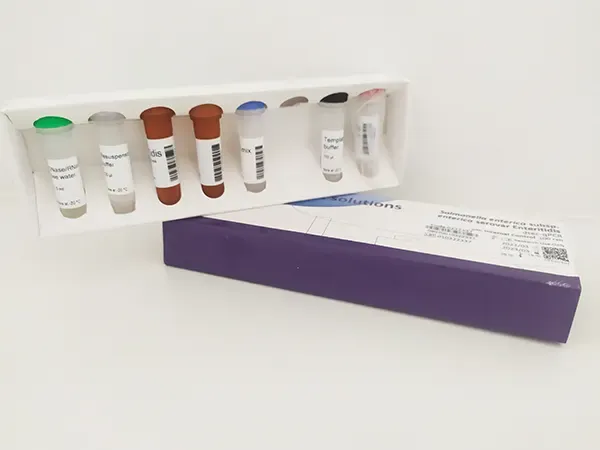
Real Time PCR Detection Kit Campylobacter hepaticus
Campylobacter hepaticus detection test kit by using qPCR. It is responsible for spotty liver disease, a persistent problem in the poultry industries. Affected flocks can have a reduction in egg production of up to 25 %, and an increase in mortality by up to 10 %.
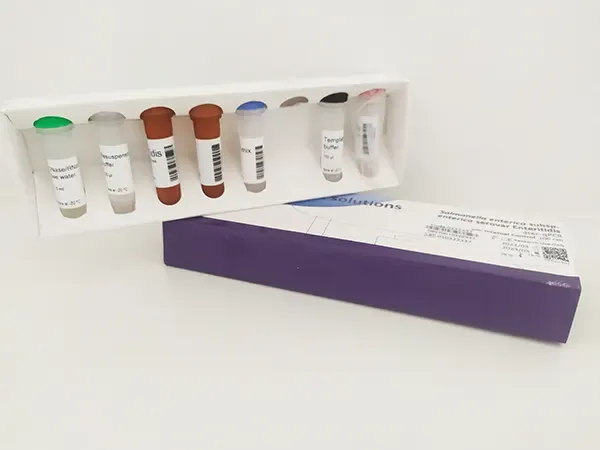
Real Time PCR Detection Kit Canine disease pathogens Panel
Detection test kit for Canine disease pathogens detection by using qPCR: Ehrlichia spp., Anaplasma spp., Babesia spp., Leishmania spp., Brucella spp., Dirofilariimmiti, Hepatozoon spp., Mycoplasma haemofelis/haemocanis and Bartonella henselae. Infectious diseases in dogs are caused by a wide variety of infectious agents including viruses, bacteria, and parasites (protozoa and helminths). Most of them have their own morbidity and mortality in dogs and some of these infections are of zoonotic relevance. This panel is designed to detect most of the common infections in dogs as: Ehrlichia spp., Anaplasma spp., Babesia spp., Leishmania spp., Brucella spp., Dirofilaria immitis, Hepatozoon spp., Mycoplasma haemofelis/haemocanis and Bartonella henselae.
Webmaster  Refresh Multimedia
Refresh Multimedia