Cookies help us deliver our services. By using our services, you agree to our use of cookies.
Similar Products
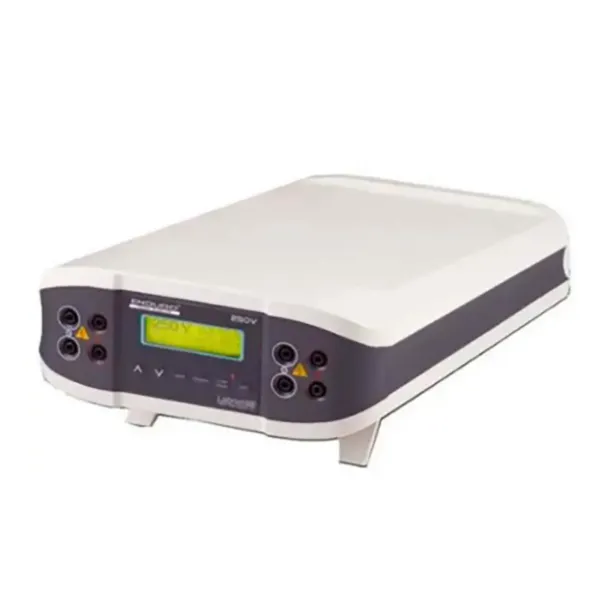
Power Supplies - electrophoresis
Solutions designed to maximize productivity in electrophoresis and blotting workflows. These power supplies combine an easy-to-use programming interface with precise digital control, enabling accurate adjustments in a compact format. Equipped with intelligent load monitoring and overvoltage protection systems, they ensure safe, stable, and long-lasting operation in laboratory environments.
0.9391603209078312
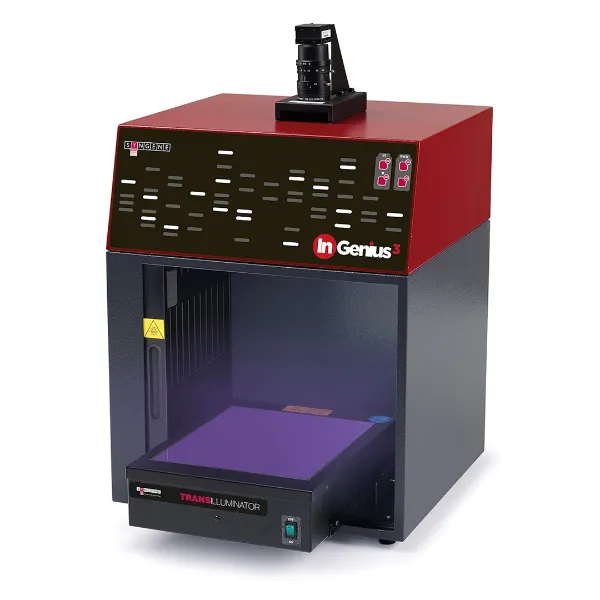
Gels documentation system
Gel documentation systems used to visualize, record, and analyze electrophoresis results of DNA, RNA, and proteins.
0.9325748234987259
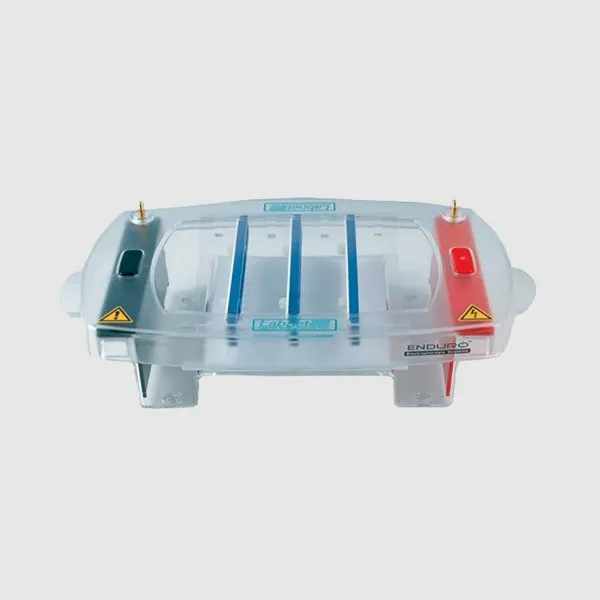
Horizontal and vertical electrophoresis gel units
Horizontal and vertical electrophoresis tanks used for the separation of DNA, RNA, and proteins through an electric field. Horizontal systems are suitable for agarose gels (nucleic acids), while vertical systems are mainly used with polyacrylamide gels, offering higher resolution.
0.9251301661133766
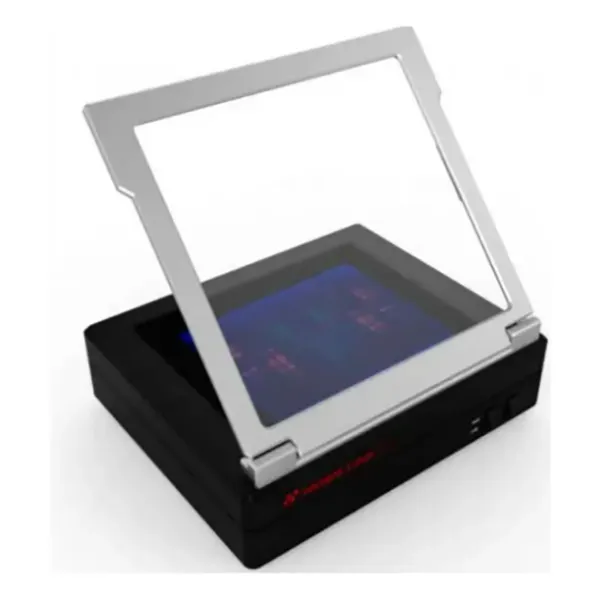
Transilluminators
Transilluminators for nucleic acid and protein analysis, providing uniform illumination and high sensitivity. Available in UV and LED (blue/white) versions, compatible with a wide range of fluorescent dyes.
0.860625147819519
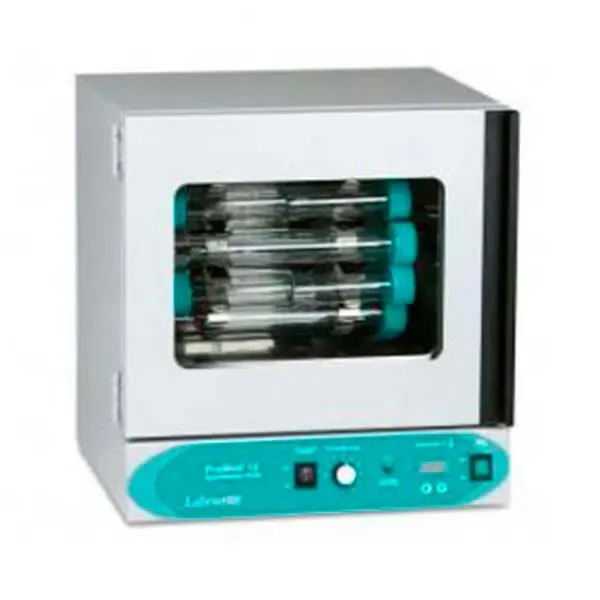
Hybridization ovens
Hybridization oven with precise temperature and agitation control, ideal for demanding laboratory protocols requiring high thermal uniformity and reliability.
0.8498440384864807
Webmaster  Refresh Multimedia
Refresh Multimedia