


Cookies help us deliver our services. By using our services, you agree to our use of cookies.
Filter by attributes
- Technology
Recently viewed
GPS
Sort by
Display
per page

Real Time PCR Detection Kit Avian Oncogenic Virus Panel
The Real Time PCR detection Kit Avian Oncogenic Virus Panel (Avian leukosis virus types A and B) comprises a series of specific targeted reagents designed for Avian leukosis virus types A and B detection by using qPCR.
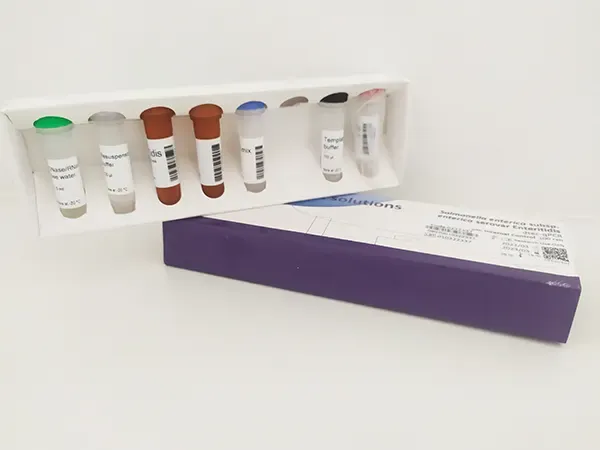
Real Time PCR Detection Kit Avian polyomavirus
Avian polyomavirus detection test kit by using qPCR. The infection has been called budgerigar fledgling disease or APV infection. The virus is known to cause acute and chronic illness in multiple bird species, but mainly parrot species. It can be transmitted by direct contact or by contact with infected environments. This pathogen is considered one of the most significant threats to caged birds around the world.
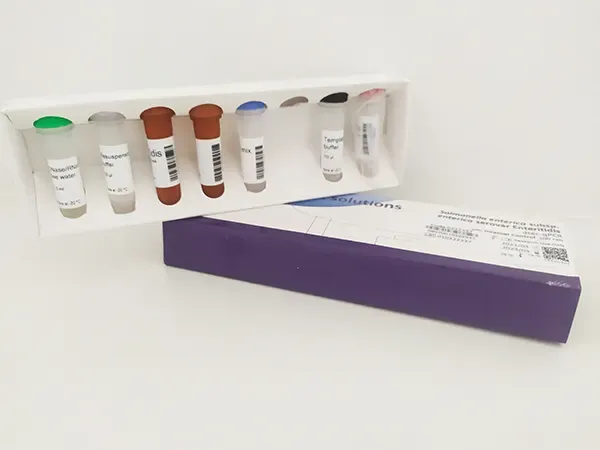
Real Time PCR Detection Kit Avian reovirus
Avian reovirus by using qPCR. ARVs infect wild and farm-raised birds and are important fowl pathogens associated with various disease conditions such as gastrointestinal malabsorption syndrome, tenosynovitis (arthritis), growth retardation, and sudden death. They have also been isolated from asymptomatic birds.

Real Time PCR Detection Kit Avibacterium paragallinarum
The Real Time PCR detection Kit Avibacterium paragallinarum comprises a series of specific targeted reagents designed for Avibacterium paragallinarum detection by using qPCR.

Real Time PCR Detection Kit Azole resistance cyp51A
The Real Time PCR detection Kit Azole resistance cyp51A comprises a series of specific targeted reagents designed for Azole resistance cyp51A detection by using qPCR.
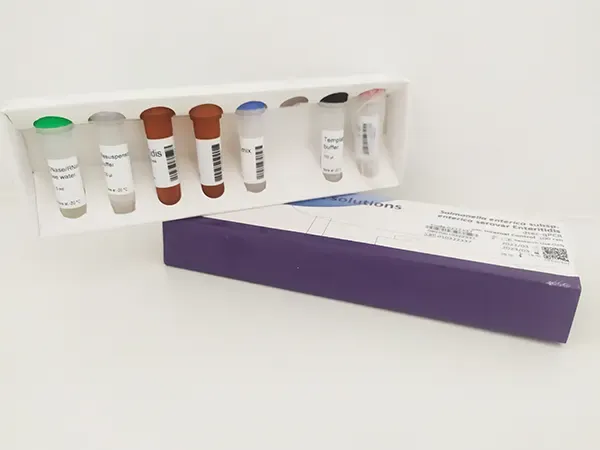
Real Time PCR Detection Kit Babesia caballi
Babesia caballi detection test kit by using qPCR. Babesiosis is a malaria-like parasitic disease caused by infection with Babesia, a genus of protozoal piroplasms. Is a blood parasite of mammals, and they can have a major impact on the health of domestic animals in areas without severe winters. Common names of the disease include Texas cattle fever, redwater fever, tick fever, and Nantucket fever.

Real Time PCR Detection Kit Babesia gibsoni
The Real Time PCR detection Kit Babesia gibsoni comprises a series of specific targeted reagents designed for Babesia gibsoni detection by using qPCR.
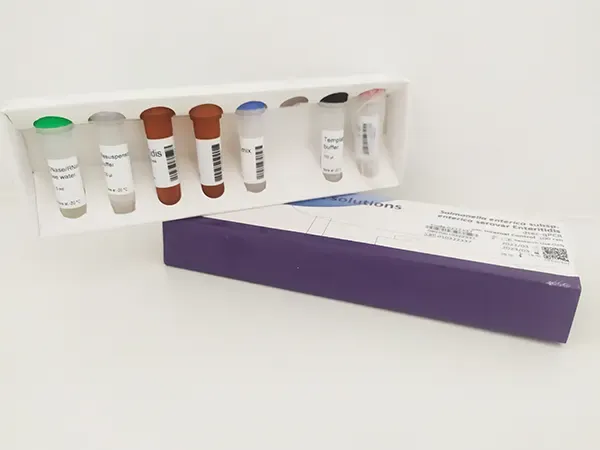
Real Time PCR Detection Kit Babesia spp.
Babesia spp. detection test kit by using qPCR. Babesia (also called nuttallia) is a genus of protozoan Apicomplexan piroplasms that infect the blood and cause a parasitic, hemolytic disease known as babesiosis. Causes serious illness for wild and domesticated animals, especially cattle and some strains in humans.

Real Time PCR Detection Kit Babesia vulpes
The Real Time PCR detection Kit Babesia vulpes comprises a series of specific targeted reagents designed for Babesia vulpes detection by using qPCR.
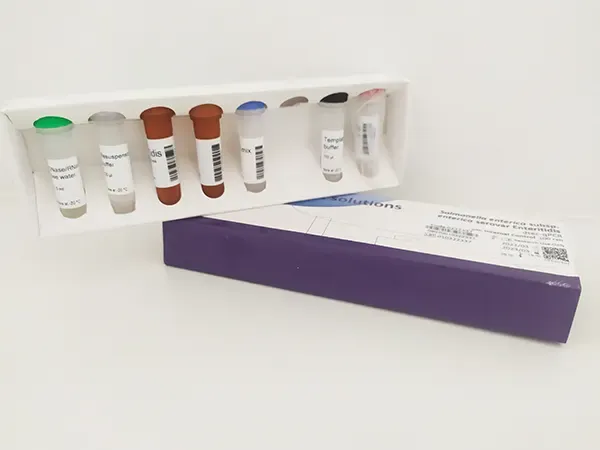
Real Time PCR Detection Kit Babesiosis canina
Babesiosis canina detection test kit by using qPCR. Canine babesiosis is a worldwide, tick-borne, protozoal hemiparasitic disease caused by hemoprotozoan parasites of the genus Babesia. The two predominant species capable of naturally infecting dogs are Babesia gibsoni and Babesia canis. A trinomial nomenclature system for Babesia canis has been proposed as B. canis canis, B canis vogeli and B. canis rossi.
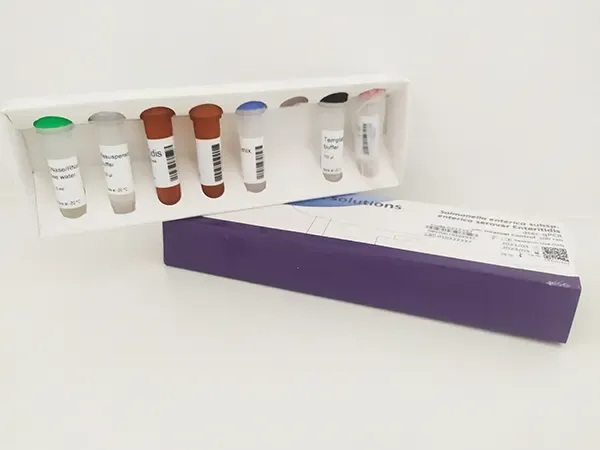
Real Time PCR Detection Kit Bacillus amyloliquefaciens
Bacillus amyloliquefaciens detection test kit by using qPCR. Bacillus amyloliquefaciens is a Gram-positive and non-pathogenic soil bacteria closely related to the species Bacillus subtilis. The appearance of both species is so similar that it is not possible the phenotypic differentiation. However, they can be differentiated by a specific PCR assay. B. amyloliquefaciens main interest is their antifungal properties.
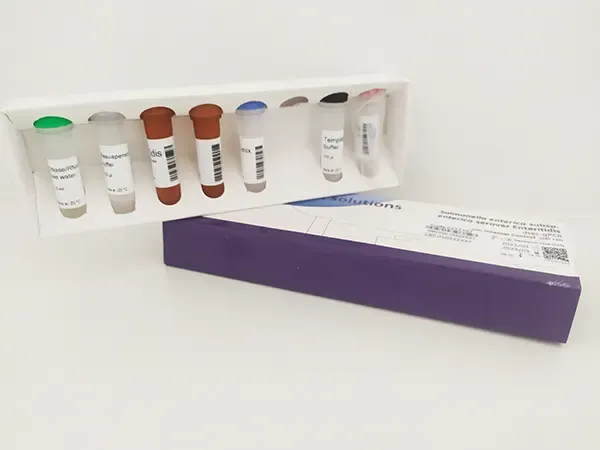
Real Time PCR Detection Kit Bacillus anthracis
Bacillus anthracis detection test kit by using qPCR. Bacillus anthracis is a Gram-positive, endospore-forming belonging to Bacillaceae family. B. anthracis is the etiologic agent of anthrax a common disease of livestock and, occasionally, of humans, and the only obligate pathogen within the genus Bacillus.
Webmaster  Refresh Multimedia
Refresh Multimedia