Cookies help us deliver our services. By using our services, you agree to our use of cookies.
Similar Products
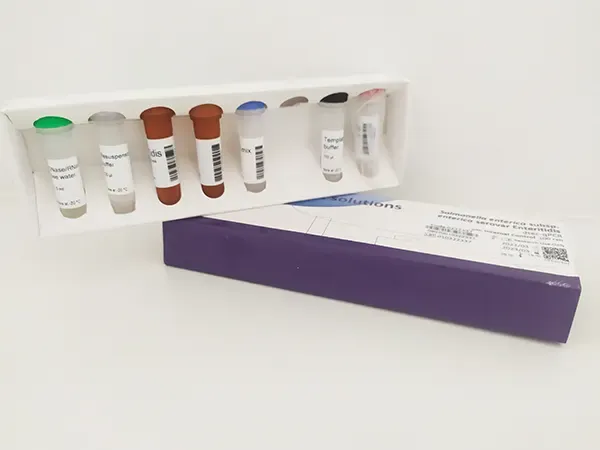
Real Time PCR Detection Kit Shiga toxin 1 Escherichia coli
Shiga toxin 1 Escherichia coli detection test kit by using qPCR. Shiga toxin is a family of related toxins with two major groups, Stx1 and Stx2. Shiga toxigenic group of Escherichia coli (STEC), which includes serotypes O157:H7, O104:H4, and other enterohemorrhagic E. coli (EHEC). Shiga toxins have many names, which can be used interchangeably (shiga toxins, shiga-like toxins, cytotoxins, verocytotoxins, verotoxins). STEC lives in the guts of ruminant animals, including cattle, goats, sheep, deer, and elk. The major source of human illnesses is cattle, where STEC generally does not make animals become sick.
1.0000000061271912
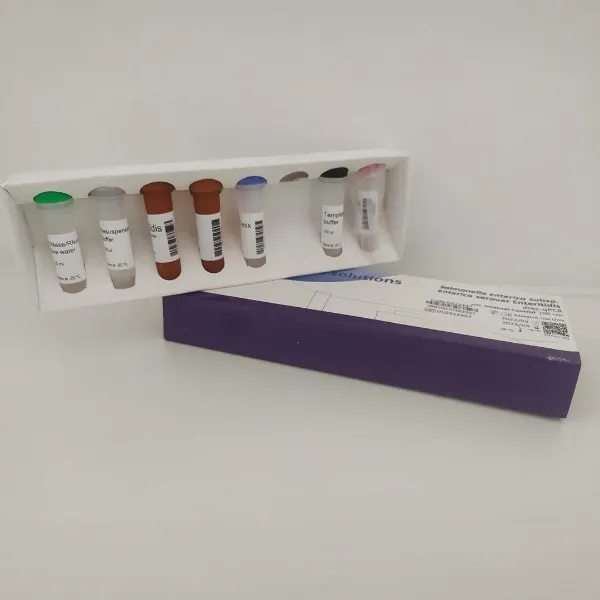
Real Time PCR Detection Kit Enterohemorrhagic Escherichia coli Triplex
The Real Time PCR detection Kit Enterohemorrhagic Escherichia coli Triplex (Escherichia coli Shiga toxin 1, Shiga toxin 2 & Intimine (eae)) comprises a series of specific targeted reagents designed for Escherichia coli Shiga toxin 1, Shiga toxin 2 & Intimine (eae) detection by using multiplexed qPCR.
0.9873928101733327
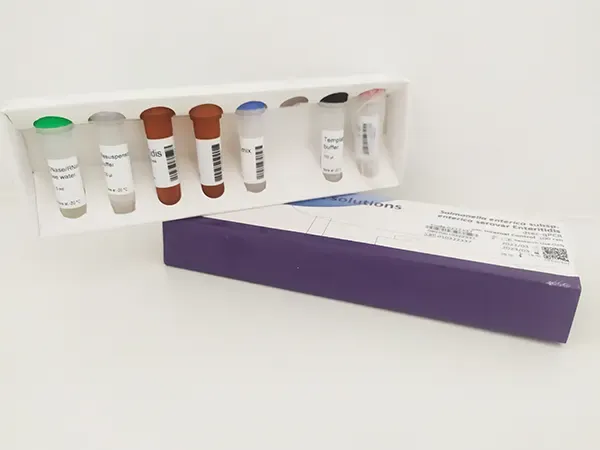
Real Time PCR Detection Kit Listeria innocua
Listeria innocua detection test kit by using qPCR. Listeria innocua is harmless to other organisms. It lacks the 10-kb virulence locus, present in L. monocytogenes, that is needed for pathogenicity. It is widely found in the environment (such as soil) and food sources. Can survive in extreme pH and temperature, as well as high salt concentration.
0.9842900335788727
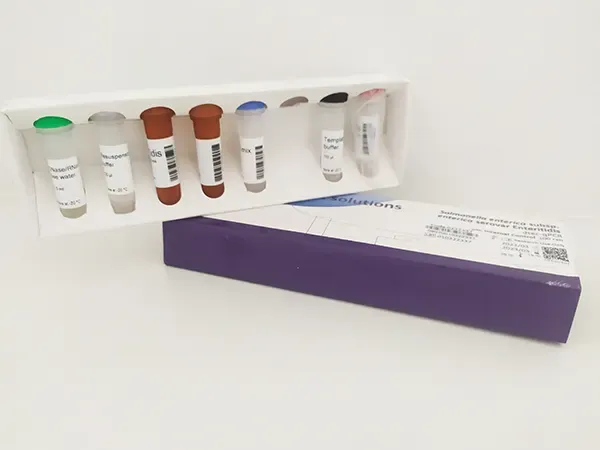
Real Time PCR Detection Kit Listeria ivanovii
Listeria ivanovii detection test kit by using qPCR. Listeria ivanovii it behaves like L. monocytogenes but is found almost exclusively in ruminants (mainly sheep). Infection with L. ivanovii can lead to septicemic disease with enteritis, neonatal sepsis and even abortion. Pregnant ruminants are therefore most at risk. Human zoonosis is described but extremely rare.
0.9842900335788727
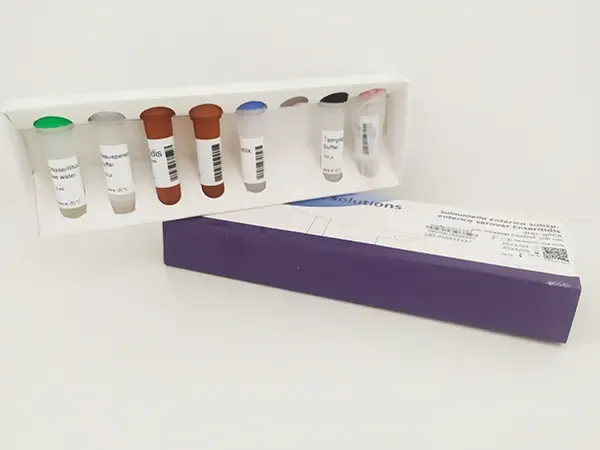
Real Time PCR Detection Kit Escherichia coli O157:H7
Detection test kit of Escherichia coli O157:H7 by using qPCR. Escherichia coli O157:H7 is an enterohemorrhagic strain of the bacterium Escherichia coli and a cause of illness through food. Infection may lead to hemorrhagic diarrhea, and to kidney failure. Transmission is via the fecal-oral route, and most illness has been through undercooked, contaminated ground beef or ground pork being eaten.
0.9836365133523941
Webmaster  Refresh Multimedia
Refresh Multimedia