


Cookies help us deliver our services. By using our services, you agree to our use of cookies.
Filter by attributes
- Technology
Filter by brand
Food Safety
Kits that allow the detection of microbiological contamination, which can occur during the food production process.
Sort by
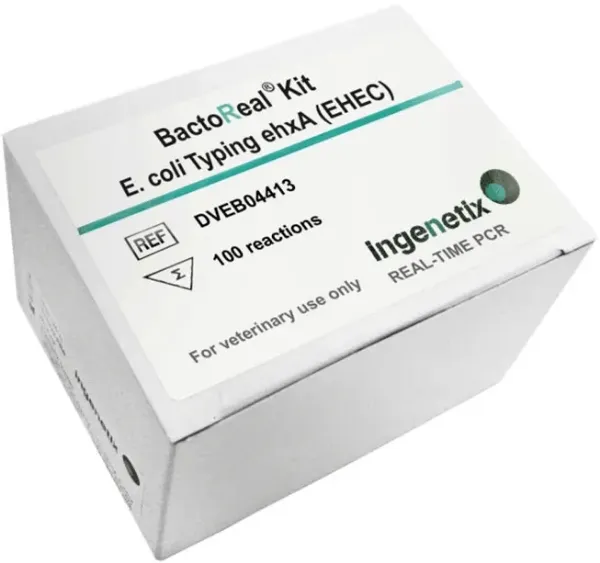
BactoReal® Kit E. coli Typing (EHEC) ehxA
Detection of virulence-associated gene ehxA (enterohemolysin) of Escherichia coli
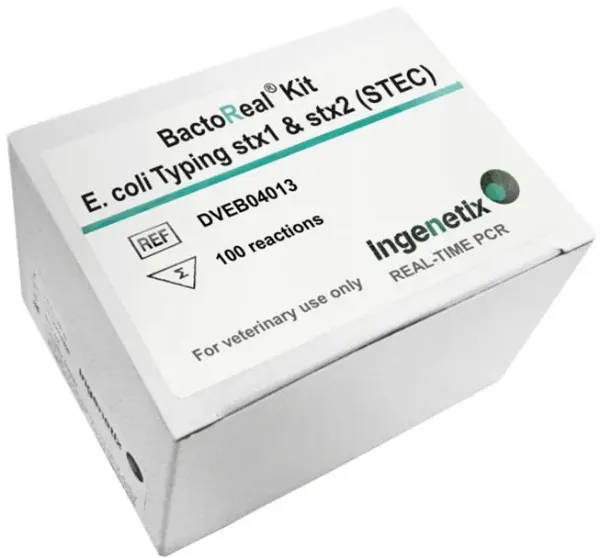
BactoReal® Kit E. coli Typing (STEC) stx1 & stx2
Detection of virulence-associated genes stx1 and stx2 (verotoxin) of Escherichia coli
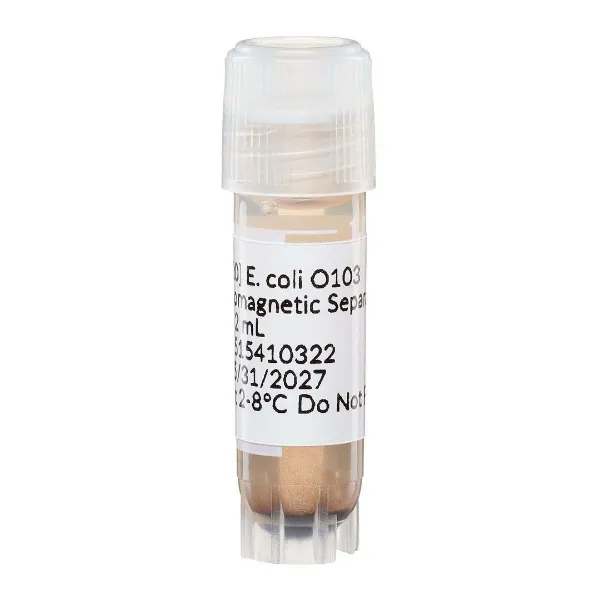
E. coli O103 Immunomagnetic Separation Beads
Immunomagnetic separation beads designed for the rapid and selective concentration of Escherichia coli serogroup O103 to help with their confirmation on selective confirmation agars.
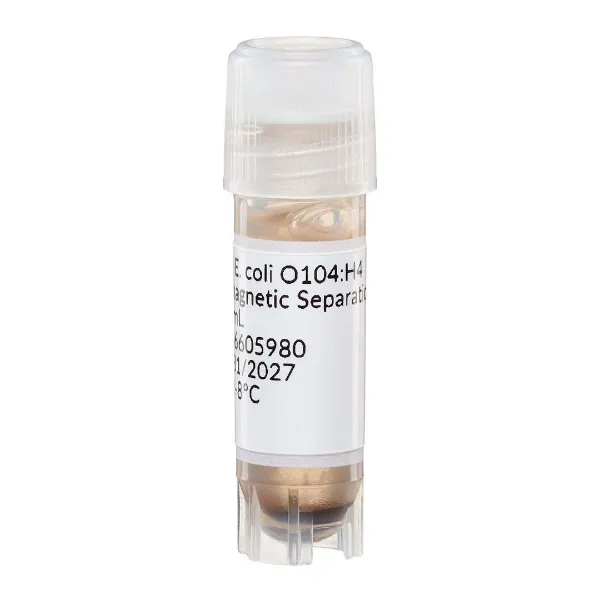
E. coli O104:H4 Immunomagnetic Separation Beads
Immunomagnetic separation beads designed for the rapid and selective concentration of Escherichia coli serogroup O104:H4 to help with their confirmation on selective confirmation agars.
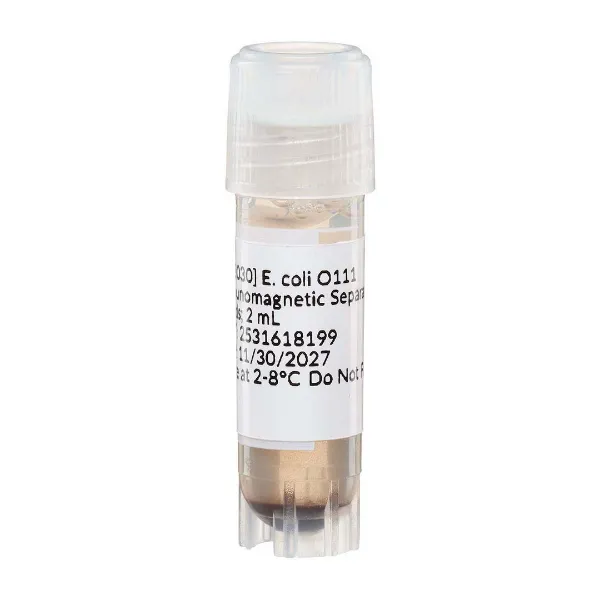
E. coli O111 Immunomagnetic Separation Beads
Immunomagnetic separation beads designed for the rapid and selective concentration of Escherichia coli serogroup O111 to help with their confirmation on selective confirmation agars.
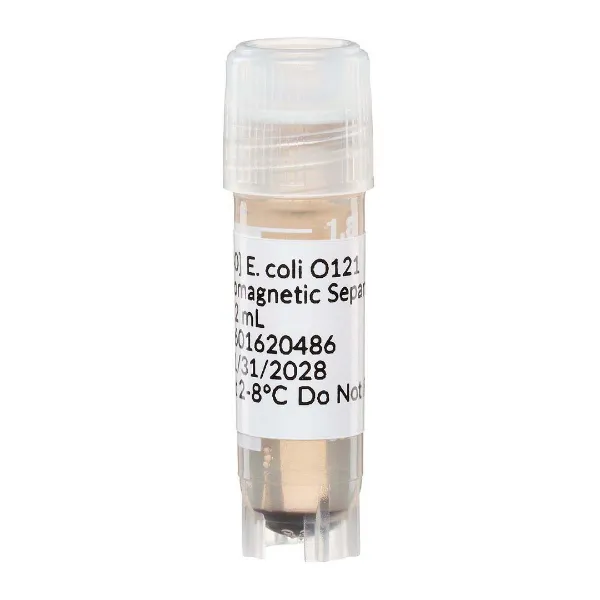
E. coli O121 Immunomagnetic Separation Beads
Immunomagnetic separation beads designed for the rapid and selective concentration of Escherichia coli serogroup O121 to help with their confirmation on selective confirmation agars.
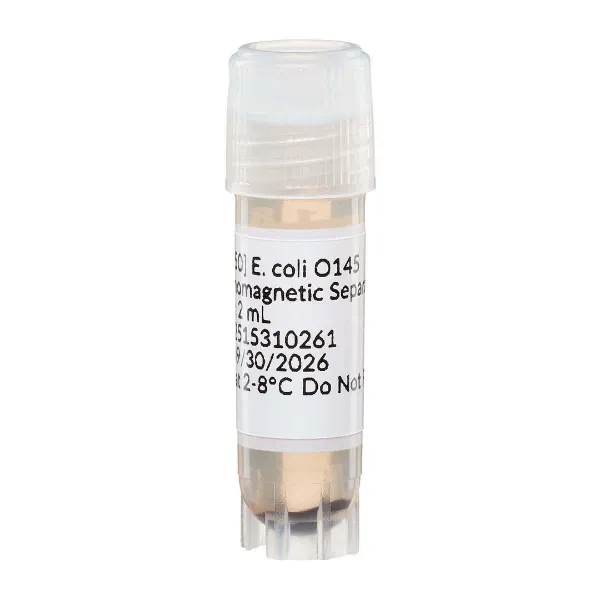
E. coli O145 Immunomagnetic Separation Beads
Immunomagnetic separation beads designed for the rapid and selective concentration of Escherichia coli serogroup O145 to help with their confirmation on selective confirmation agars.
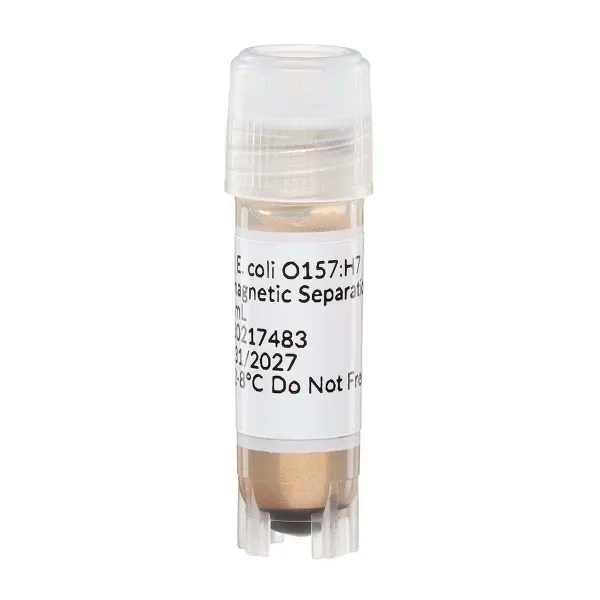
E. coli O157:H7 Immunomagnetic Separation Beads
Immunomagnetic separation beads designed for the rapid and selective concentration of Escherichia coli serogroup O157:H7 to help with their confirmation on selective confirmation agars.
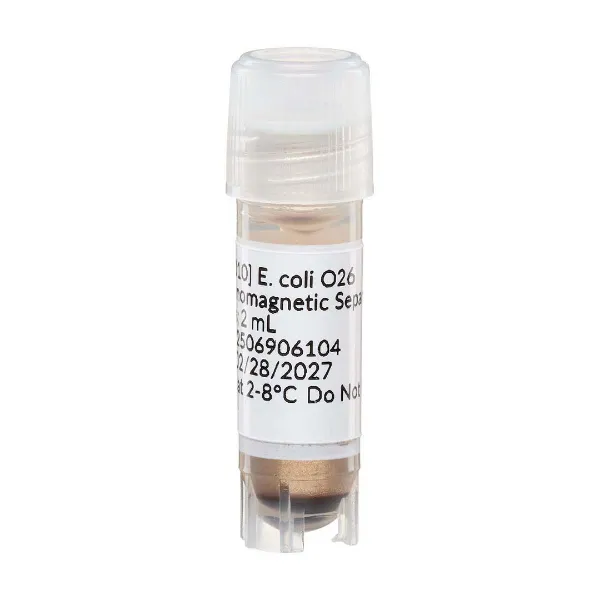
E. coli O26 Immunomagnetic Separation Beads
Immunomagnetic separation beads designed for the rapid and selective concentration of Escherichia coli serogroup O26 to help with their confirmation on selective confirmation agars.
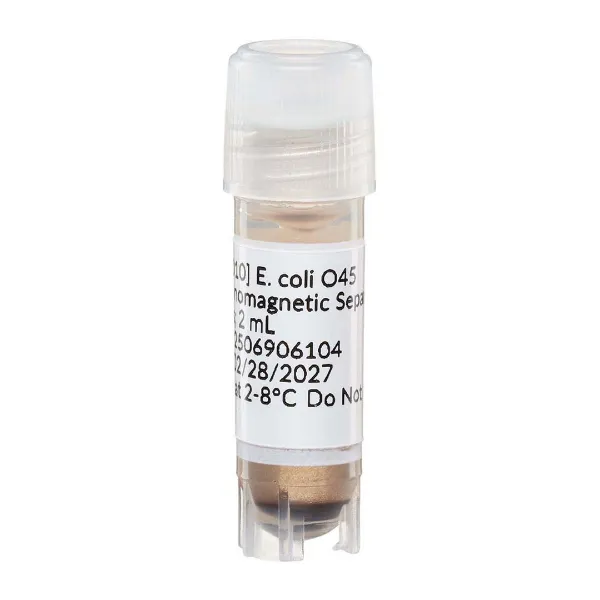
E. coli O45 Immunomagnetic Separation Beads
Immunomagnetic separation beads designed for the rapid and selective concentration of Escherichia coli serogroup O45 to help with their confirmation on selective confirmation agars.
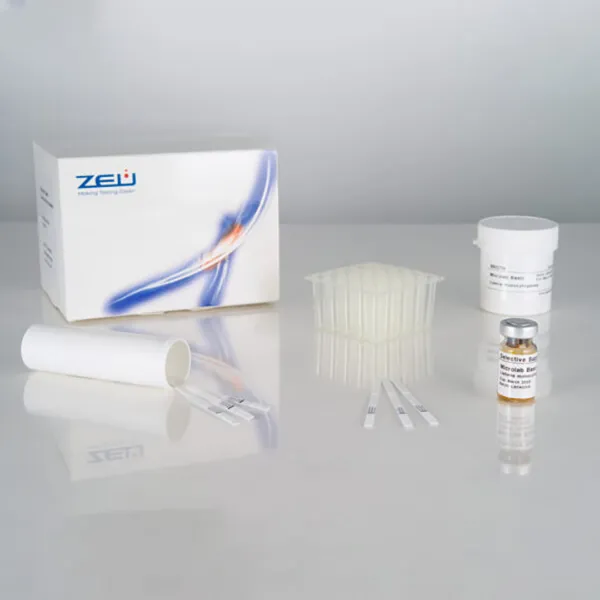
MICROLAB BASIC L. MONOCYTOGENES PLUS
Microlab Basic Listeria monocytogenes plus is a qualitative test for the simultaneous detection of Listeria spp. and Listeria monocytogenes in food and environmental samples.
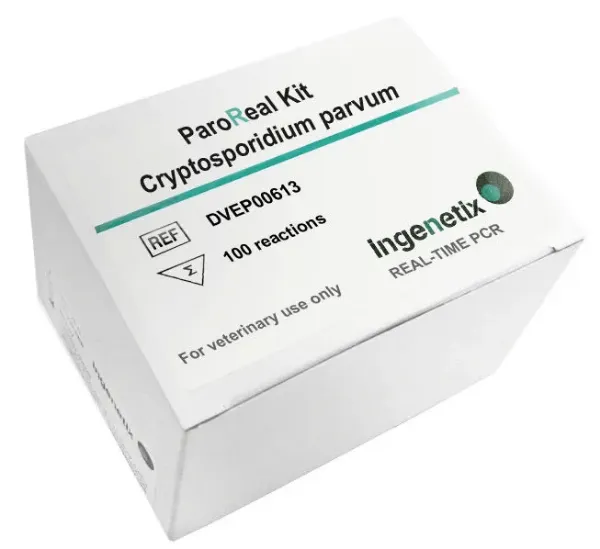
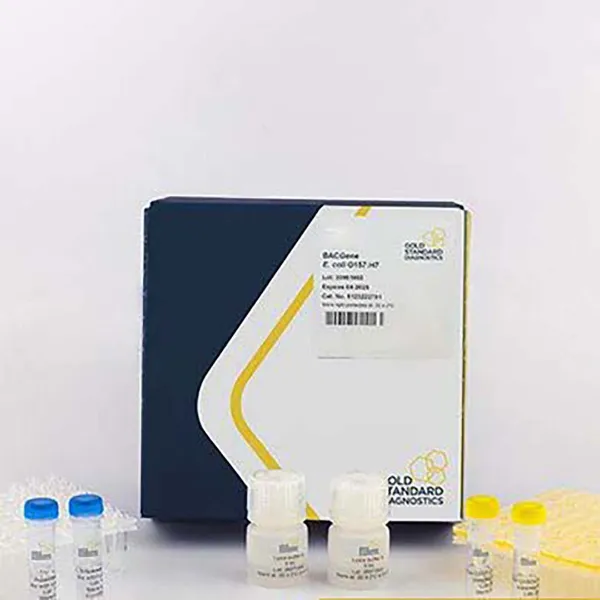
PREraser BACGene
The PREraser BACGene kit removes free DNA prior to the lysis step through enzymatic digestion, significantly reducing PCR signals and offering a simpler alternative to methods using propidium monoazide (PMA) or ethidium monoazide (EMA). For elimination of free DNA from Listeria, Salmonella, and E. coli in selected matrices, for sample pre-treatment after enrichment and prior to lysis according to the respective protocols.
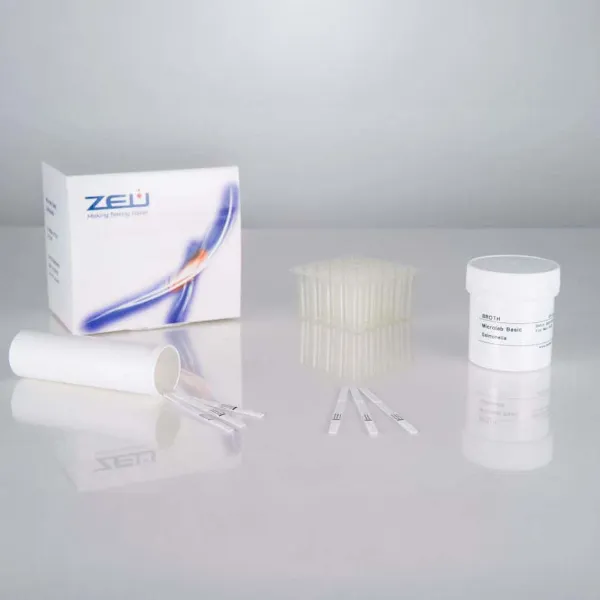
Rapid Test for Listeria monocytogenes - Basic
Rapid Test for Listeria monocytogenes - Basic is a qualitative test for the detection of Listeria monocytogenes in food and environmental samples.
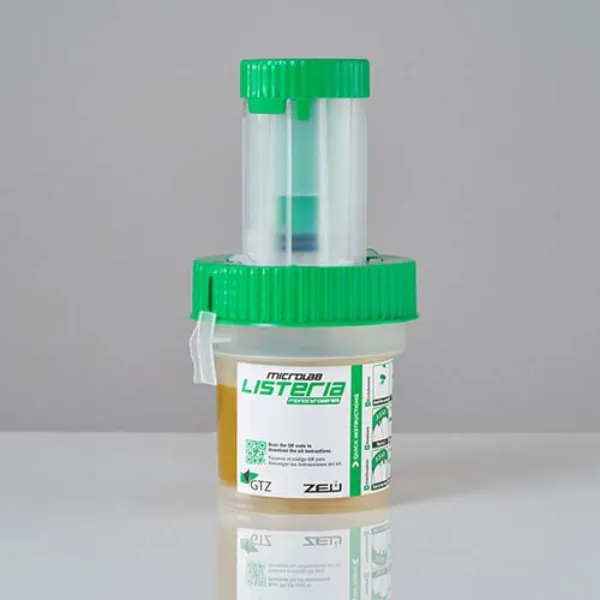
Rapid Test for Listeria monocytogenes - Food and surfaces
Tests performed in a single disposable device to detect Listeria monocytogenes in food samples
Webmaster  Refresh Multimedia
Refresh Multimedia