

Cookies help us deliver our services. By using our services, you agree to our use of cookies.
Filter by attributes
- Technology
Filter by brand
Food Safety
Kits that allow the detection of microbiological contamination, which can occur during the food production process.
Sort by
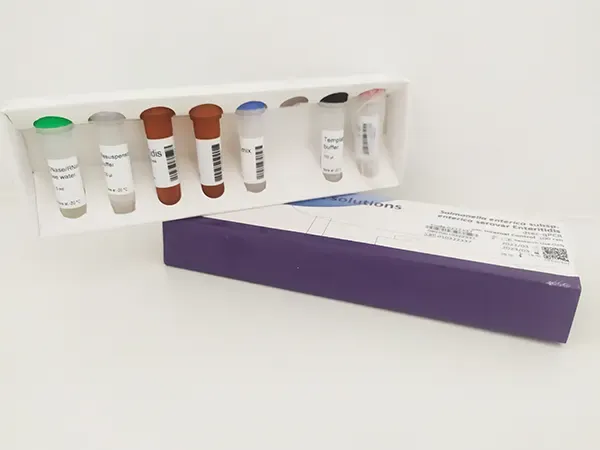
Real Time PCR Detection Kit Gluten
Gluten detection test kit by using qPCR. Celiac disease is an autoimmune disorder associated with an intolerance to gluten proteins mainly present in wheat, barley, and rye. Methods are required to detect the presence of gluten contamination in food samples.
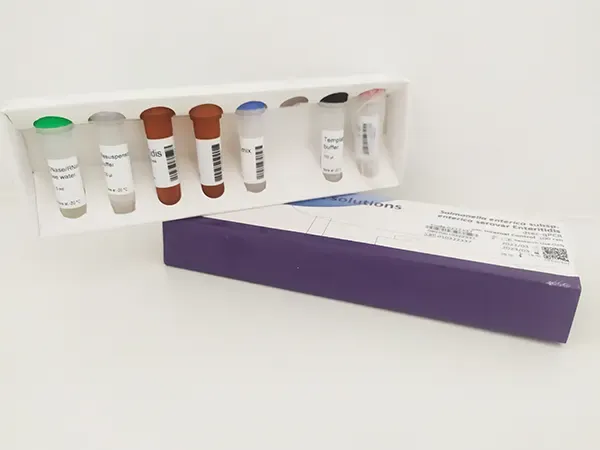
Real Time PCR Detection Kit Listeria innocua
Listeria innocua detection test kit by using qPCR. Listeria innocua is harmless to other organisms. It lacks the 10-kb virulence locus, present in L. monocytogenes, that is needed for pathogenicity. It is widely found in the environment (such as soil) and food sources. Can survive in extreme pH and temperature, as well as high salt concentration.
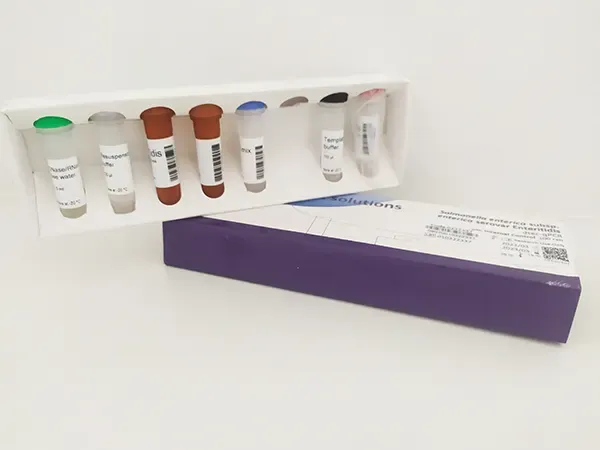
Real Time PCR Detection Kit Listeria ivanovii
Listeria ivanovii detection test kit by using qPCR. Listeria ivanovii it behaves like L. monocytogenes but is found almost exclusively in ruminants (mainly sheep). Infection with L. ivanovii can lead to septicemic disease with enteritis, neonatal sepsis and even abortion. Pregnant ruminants are therefore most at risk. Human zoonosis is described but extremely rare.
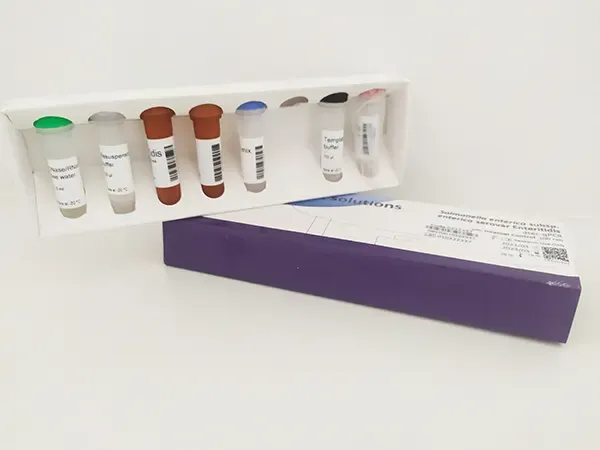
Real Time PCR Detection Kit Listeria monocytogenes
Detection test kit of the species Listeria monocytogenes by using qPCR. Due to Listeria monocytogenes pathogenicity cuases meningitis in newborns (acquired transvaginally), pregnant mothers are often advised not to eat soft cheeses such as Brie, Camembert, feta, and fresh white cheese, which may be contaminated with and permit growth of L. monocytogenes. It is the third-most-common cause of meningitis in newborns.
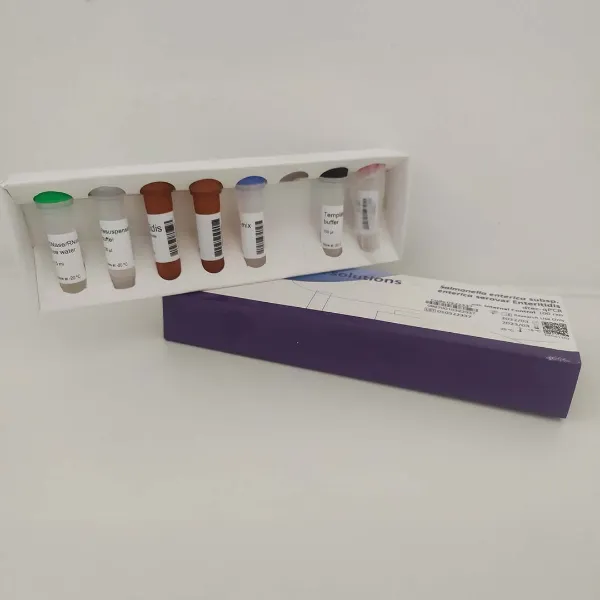
Real Time PCR Detection Kit Listeria monocytogenes and Salmonella spp. Duplex
The Real Time PCR detection Kit Listeria monocytogenes and Salmonella spp. Duplex comprises a series of specific targeted reagents designed for Listeria monocytogenes and Salmonella spp. detection by using multiplexed qPCR.
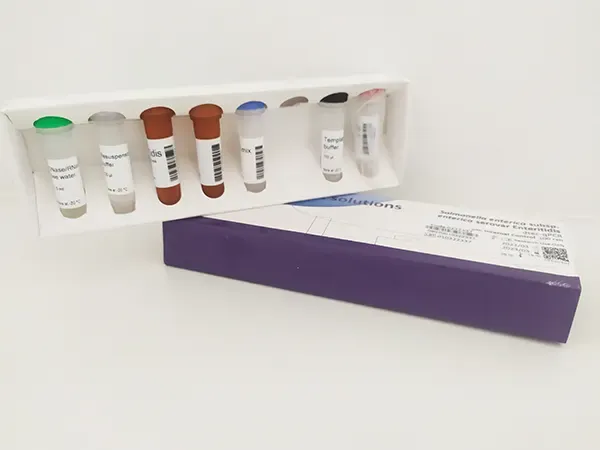
Real Time PCR Detection Kit One-Day Food Testing
Foodborne pathogen control allows for advance the results in a single working day. The time of each step has been reduced and the procedure has been simplified and optimized. Easy, safe and fast.
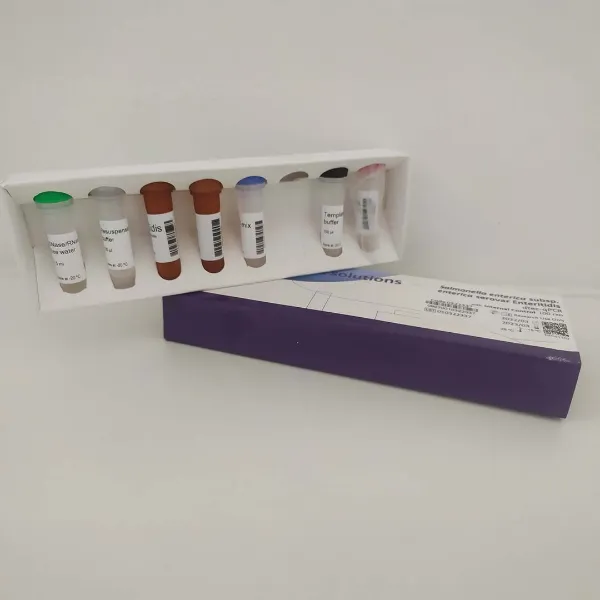
Real Time PCR Detection Kit Panel Cyanotoxin Genes
The Real Time PCR detection Kit Panel Cyanotoxin Genes (Microcystine toxin genes mycB and mycE) comprises a series of specific targeted reagents designed for Microcystine toxin genes mcyB and mcyE detection by using qPCR.
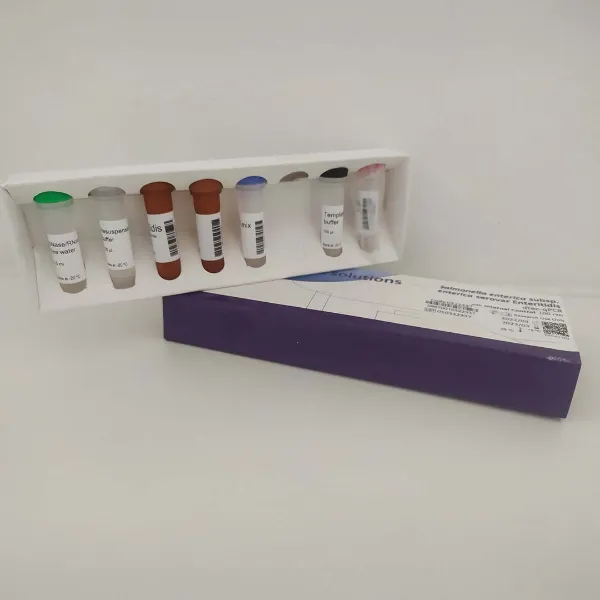
Real Time PCR Detection Kit Panel Food Pathogens
The Real Time PCR detection Kit Panel Food Pathogens (Salmonella spp. and Listeria monocytogenes) comprises a series of specific targeted reagents designed for Salmonella spp. and Listeria monocytogenes detection by using qPCR.
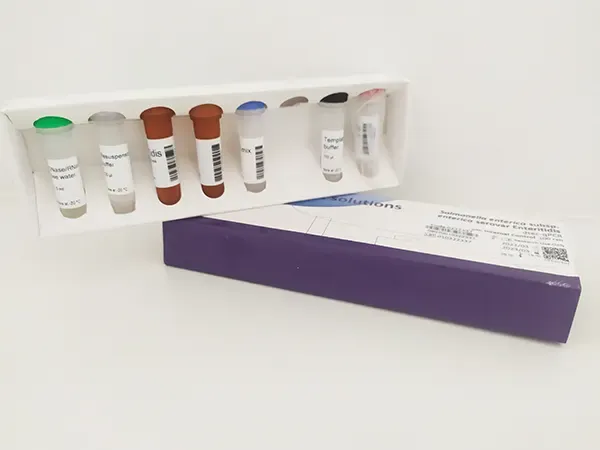
Real Time PCR Detection Kit Salmonella enterica subsp. enterica serovar Enteritidis
Detection test kit of Salmonella enterica subsp. enterica serovar Enteritidis species by using qPCR. Salmonella enterica subsp. enterica serovar Enteritidis (also known as S. Enteritidis) is an important human pathogen that causes salmonellosis in humans. S. Enteritidis is passed to humans mainly through the consumption of contaminated poultry meat and eggs. Infection caused by S. enterica is the second most common cause of bacterial gastroenteritis (food poisoning).
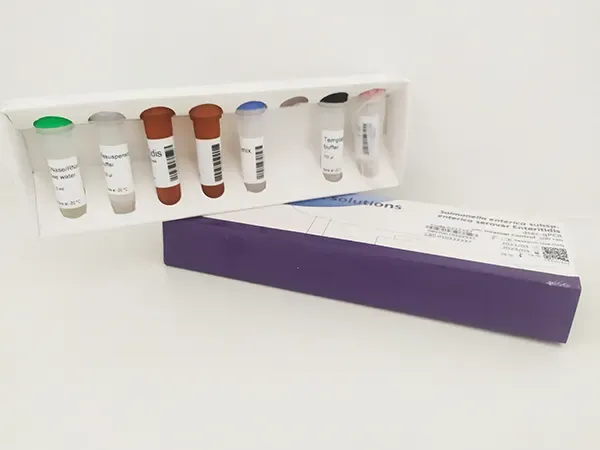
Real Time PCR Detection Kit Salmonella spp.
Detection by using qPCR of species of the genus Salmonella. Salmonella cause illnesses such as typhoid fever, paratyphoid fever, and foodborne illnesses. Salmonella infections are zoonotic and can be transferred between humans and nonhuman animals. Many infections are due to the ingestion of contaminated food. Salmonella enterica subsp.enterica serovar Typhi can cause serious illness because of a special virulence factor and a capsule protein (virulence antigen). Salmonella typhi is adapted to humans and does not occur in other animals.
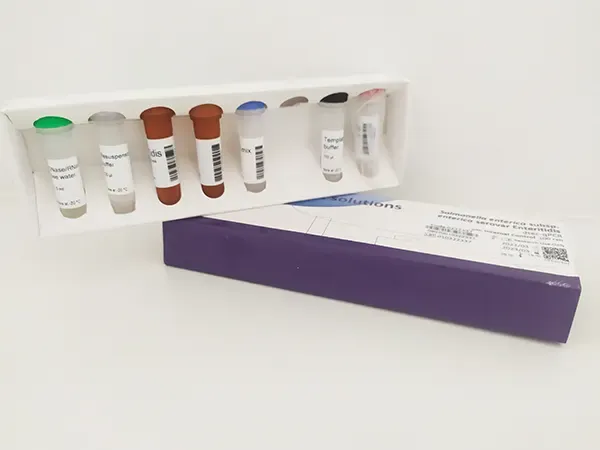
Real Time PCR Detection Kit Shiga toxin 1 Escherichia coli
Shiga toxin 1 Escherichia coli detection test kit by using qPCR. Shiga toxin is a family of related toxins with two major groups, Stx1 and Stx2. Shiga toxigenic group of Escherichia coli (STEC), which includes serotypes O157:H7, O104:H4, and other enterohemorrhagic E. coli (EHEC). Shiga toxins have many names, which can be used interchangeably (shiga toxins, shiga-like toxins, cytotoxins, verocytotoxins, verotoxins). STEC lives in the guts of ruminant animals, including cattle, goats, sheep, deer, and elk. The major source of human illnesses is cattle, where STEC generally does not make animals become sick.
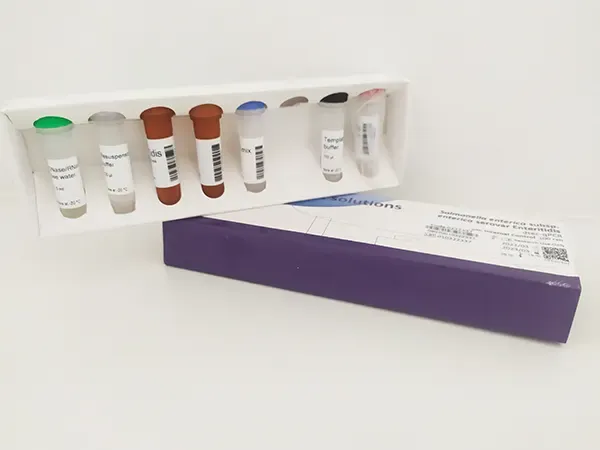
Real Time PCR Detection Kit Shiga toxin 2 Escherichia coli
Shiga toxin 2 Escherichia coli detection test kit by using qPCR. Shiga toxin is a family of related toxins with two major groups, Stx1 and Stx2. The Shiga toxigenic group of Escherichia coli (STEC), which includes serotypes O157:H7, O104:H4, and other enterohemorrhagic E. coli (EHEC). Shiga toxins have many names, which can be used interchangeably (shiga toxins, shiga-like toxins, cytotoxins, verocytotoxins, verotoxins). STEC lives in the guts of ruminant animals, including cattle, goats, sheep, deer, and elk. The major source of human illnesses is cattle, where STEC generally does not make animals become sick.
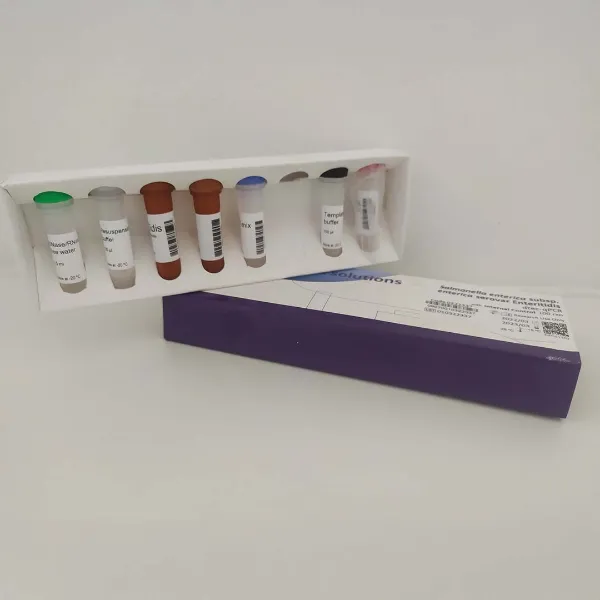
Real Time PCR Detection Kit Tetragenococcus muriaticus
The Real Time PCR detection Kit Tetragenococcus muriaticus comprises a series of specific targeted reagents designed for Tetragenococcus muriaticus detection by using qPCR.
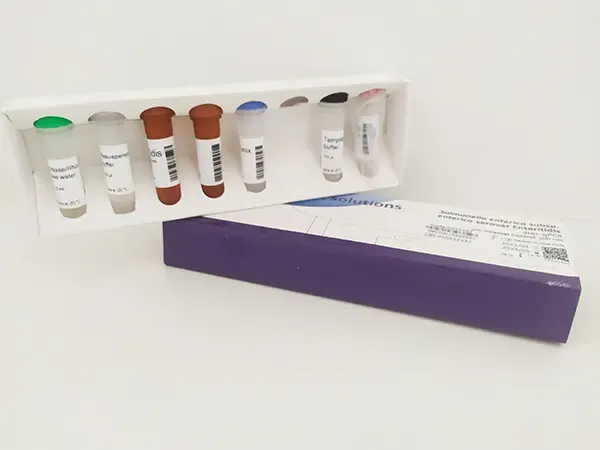
Real Time PCR Detection Kit Vibrio cholerae
Detection test kit of Vibrio cholerae strains by using qPCR. Some strains of V.cholerae cause the disease cholera.
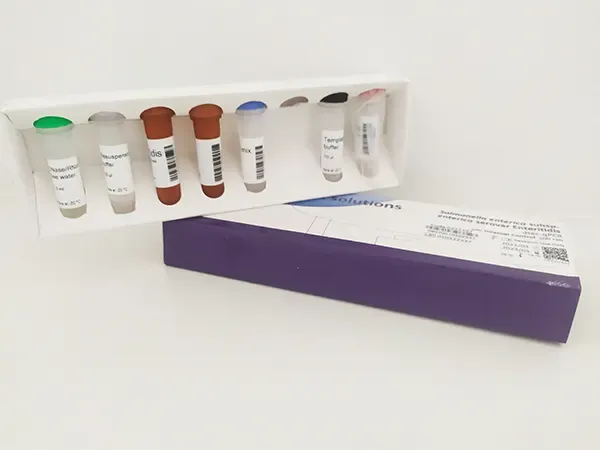
Real Time PCR Detection Kit Vibrio cholerae Tx
Detection test kit of pathogenic strains of Vibrio cholerae by using qPCR. Some strains of V. cholerae cause the disease cholera. V. cholerae pathogenicity genes code for proteins directly or indirectly involved in the virulence of the bacteria. During infection, V. cholerae secretes cholera toxin, a protein that causes profuse, watery diarrhea. Colonization of the small intestine also requires the toxin coregulated pilus, a thin, flexible, filamentous appendage on the surface of bacterial cells.
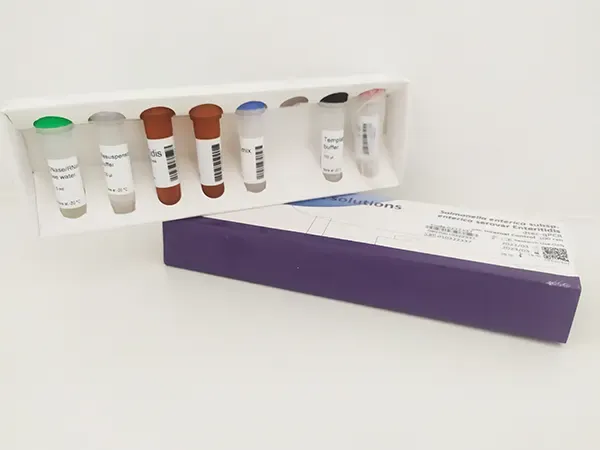
Real Time PCR Detection Kit Vibrio parahaemolyticus
Vibrio parahaemolyticus by using qPCR. Vibrio parahaemolyticus when ingested, causes gastrointestinal illness in humans. While infection can occur via the fecal-oral route, ingestion of bacteria in raw or undercooked seafood, usual oysters, is the predominant cause of the acute gastroenteritis caused by V. parahaemolyticus. Wound infections also occur, but are less common than seafood-borne diseases.
Webmaster  Refresh Multimedia
Refresh Multimedia