
Cookies help us deliver our services. By using our services, you agree to our use of cookies.
Filter by attributes
- Technology
Recently viewed
GPS
Sort by
Display
per page
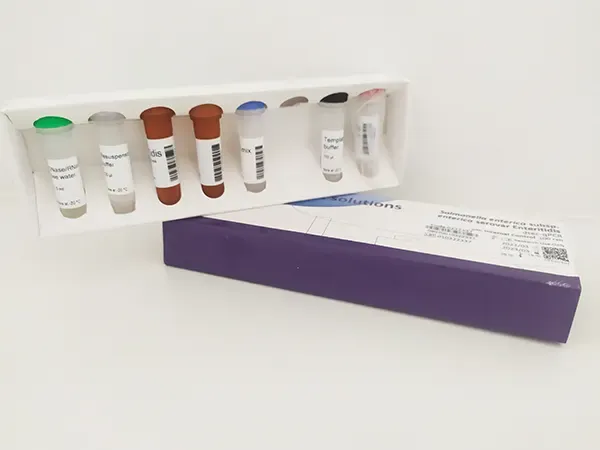
Real Time PCR Detection Kit Campylobacter hepaticus
Campylobacter hepaticus detection test kit by using qPCR. It is responsible for spotty liver disease, a persistent problem in the poultry industries. Affected flocks can have a reduction in egg production of up to 25 %, and an increase in mortality by up to 10 %.
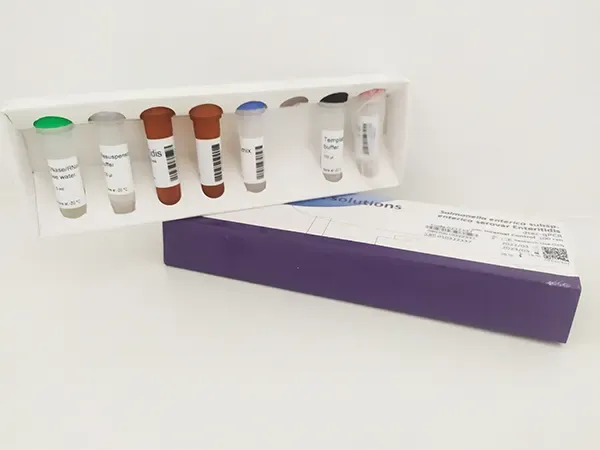
Real Time PCR Detection Kit Campylobacter jejuni
Detection test kit of Campylobacter jejuni by using qPCR. Campylobacter jejuni is a species of bacteria commonly found in animal feces and is one of the most common causes of human gastroenteritis in the world. Food poisoning caused by Campylobacter species can be severely debilitating but is rarely life-threatening. The bacteria normally inhabit the intestinal tract of warm-blooded animals such as poultry and cattle and are frequently detected in foods derived from these animals.
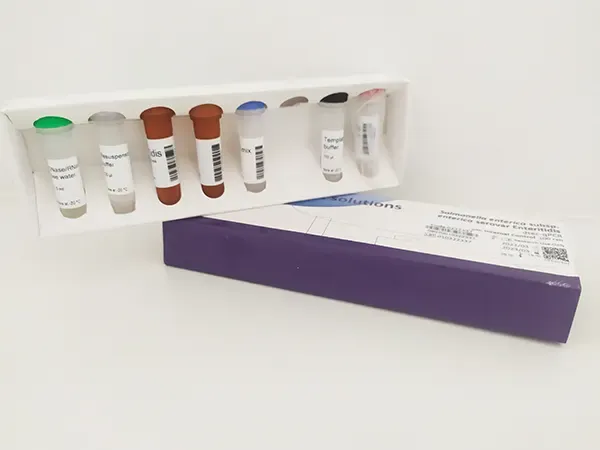
Real Time PCR Detection Kit Campylobacter spp.
Campylobacter spp. detection test kit by using qPCR. The genus Campylobacter comprises a diverse group of Gram-negative bacteria, which colonize the mucosal surfaces of the intestinal tracts, oral cavities, or urogenital tracts of a wide range of bird and mammal hosts. Currently, the genus Campylobacter contains more than 15 species but the most commonly isolated pathogenic species are C. jejuni, C. coli and C. fetus. C. jejuni and C. coli are responsible for human gastroenteritis and C. fetus usually causes abortions in cattle and sheep.
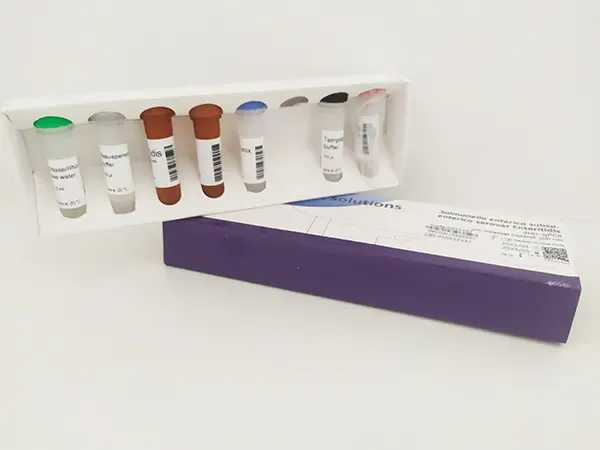
Real Time PCR Detection Kit Candida albicans
Candida albicans detection test kit by using qPCR. Candida albicans is a dimorphic fungus and is one of the few species of the genus that cause candidiasis infection in humans. Systemic fungal infections (fungemias) have emerged as important causes of morbidity and mortality in immunocompromised patients. In addition, hospital-acquired infections of C. albicans have become a cause of major health concerns.
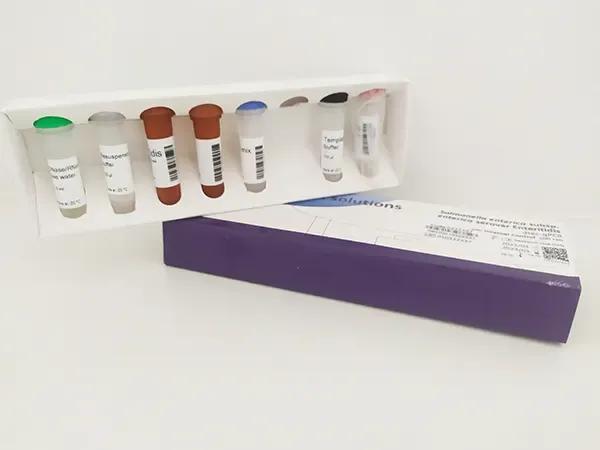
Real Time PCR Detection Kit Candida auris
Candida auris detection test kit by using qPCR. Candida auris is an emerging fungus which can cause candidiasis in humans. Healthcare facilities in several countries have reported that C. auris has caused severe illness in hospitalized patients with weakened immune systems. It can cause invasive candidiasi. Some strains of C. auris are resistant to all three major classes of antifungal drugs.
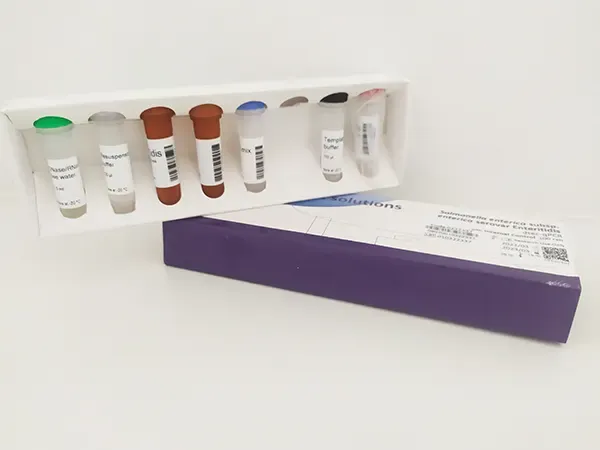
Real Time PCR Detection Kit Canine and feline parvoviruses
Canine and feline parvoviruses detection test kit by using qPCR. Also known as Feline panleukopenia virus. FPLV and CPV-2 transmission occurs among carnivores. Transmission is through contact with an infected animal’s body fluids (usually feces) and is extremely virulent and contagious. The signs are similarly leading to lethargy, bloody diarrhea, dehydration, and often death. Secondary infections can occur due to a decrease in the white blood cells, thus compromising the immune system.
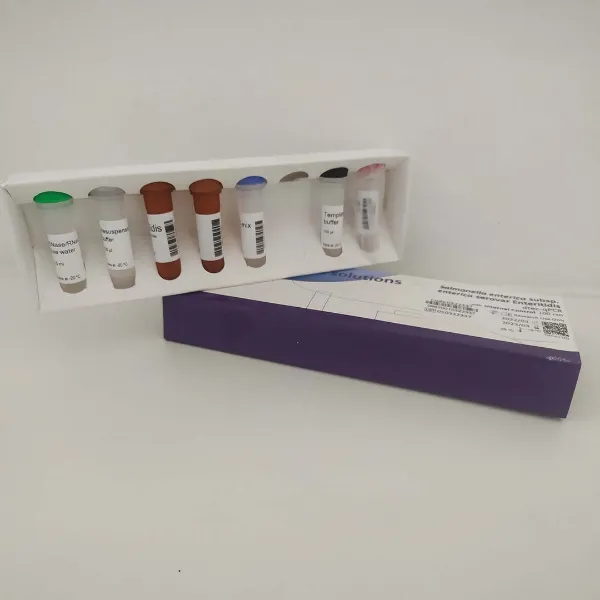
Real Time PCR Detection Kit Canine Babesiosis Panel
The Real Time PCR detection Kit Canine Babesiosis Panel (Babesia gibsoni and Babesia vulpes) comprises a series of specific targeted reagents designed for Babesia gibsoni and Babesia vulpes detection by using qPCR.
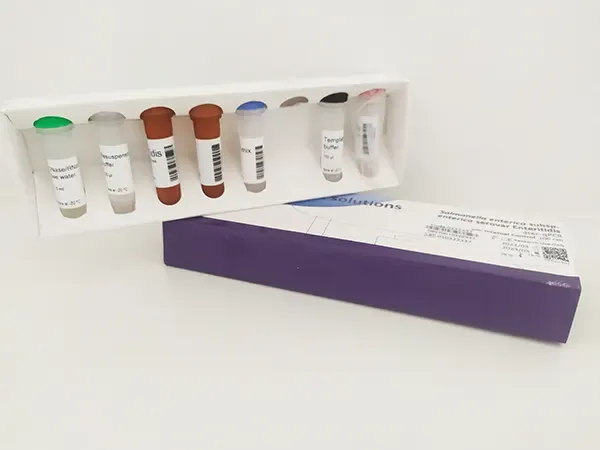
Real Time PCR Detection Kit Canine disease pathogens Panel
Detection test kit for Canine disease pathogens detection by using qPCR: Ehrlichia spp., Anaplasma spp., Babesia spp., Leishmania spp., Brucella spp., Dirofilariimmiti, Hepatozoon spp., Mycoplasma haemofelis/haemocanis and Bartonella henselae. Infectious diseases in dogs are caused by a wide variety of infectious agents including viruses, bacteria, and parasites (protozoa and helminths). Most of them have their own morbidity and mortality in dogs and some of these infections are of zoonotic relevance. This panel is designed to detect most of the common infections in dogs as: Ehrlichia spp., Anaplasma spp., Babesia spp., Leishmania spp., Brucella spp., Dirofilaria immitis, Hepatozoon spp., Mycoplasma haemofelis/haemocanis and Bartonella henselae.
Real Time PCR Detection Kit Canine diseases Panel
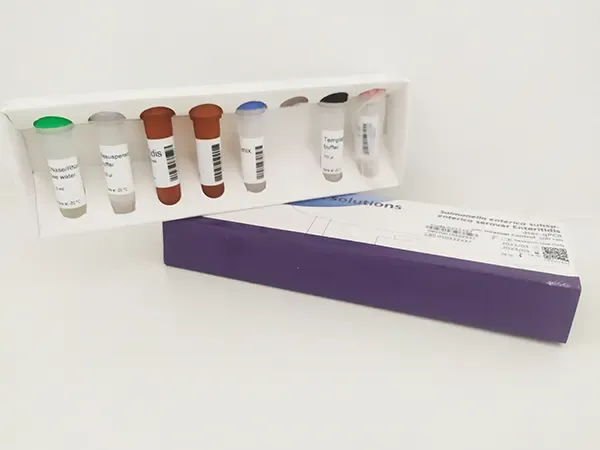
Canine diseases Ehrlichia spp., Anaplasma spp., Babesia spp., Leishmania spp., Brucella spp. and Dirofilaria immitis detection test kit by using qPCR. Infectious diseases in dogs are caused by a wide variety of infectious agents including viruses, bacteria, and parasites (protozoa and helminths). Most of them have their own morbidity and mortality in dogs and some of these infections are of zoonotic relevance, thus also posing a risk to the human population. Among the most common infections in dogs are Ehrlichia spp., Anaplasma spp., Babesia spp., Leishmania spp., Brucella spp., Dirofilaria immitis.
Real Time PCR Detection Kit Canine distemper virus
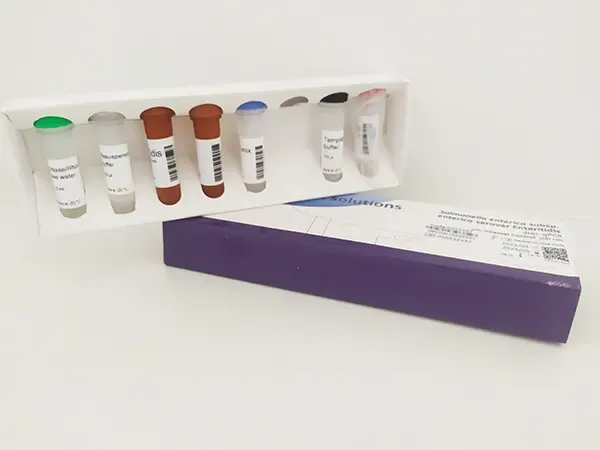
Canine distemper virus (CDV) detection test kit by using qPCR. Canine distemper is a viral disease that is most commonly associated with domestic animals such as dogs and ferrets, although it can infect wild animals as well. Despite extensive vaccination in many regions, it remains a major disease in dogs.
Real Time PCR Detection Kit Canine herpesvirus 1
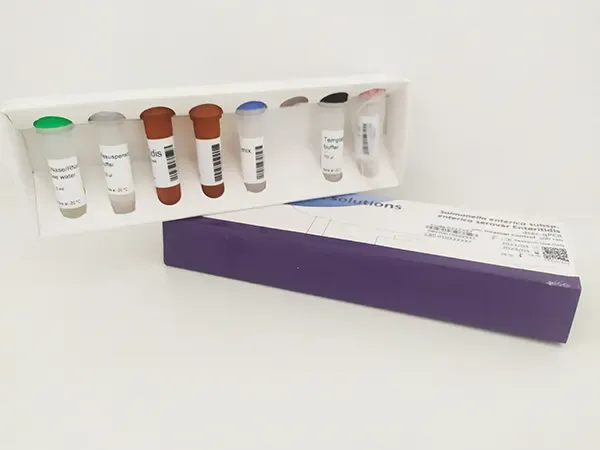
Canine herpesvirus 1 detection test kit by using qPCR. Canine herpesvirus is one of the leading causes of death in newborn puppies (and wild Canidae). Canine herpes virus is transmitted to puppies in the birth canal and by contact with infected oral and nasal secretions from the mother or other infected dogs. The disease can cause abortion, stillbirths, and infertility.
Real Time PCR Detection Kit Canine Mini Screening Panel
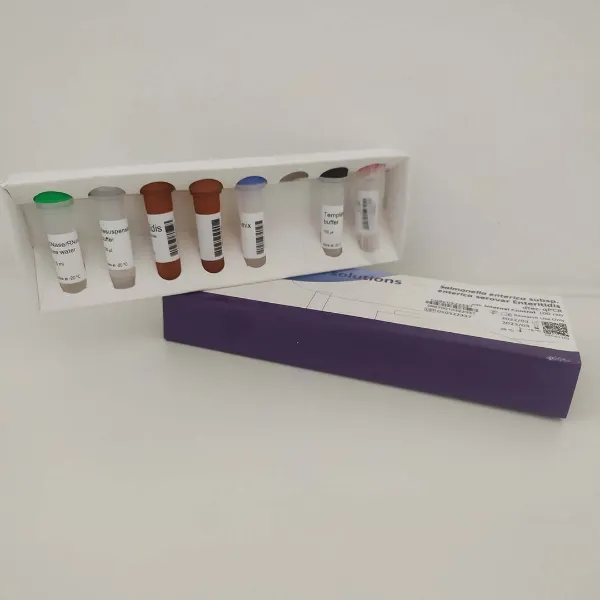
The Real Time PCR detection Kit Canine Mini Screening Panel (Babesiosis canina, Anaplasma phagocytophilum and Ehrlichia spp.) comprises a series of specific targeted reagents designed for Babesiosis canina, Anaplasma phagocytophilum and Ehrlichia spp. detection by using qPCR.
Webmaster  Refresh Multimedia
Refresh Multimedia