Cookies help us deliver our services. By using our services, you agree to our use of cookies.
Filter by attributes
- Technology
GPS
Sort by
Display
per page
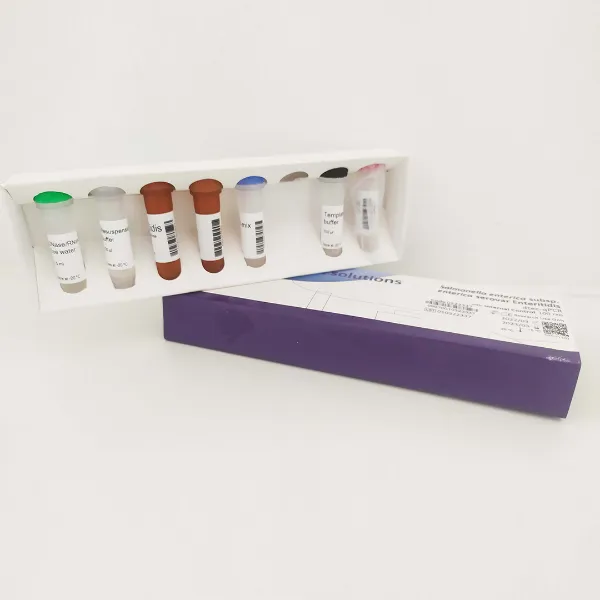
Real Time PCR Detection Kit Chicken
The Real Time PCR Detection Kit Chicken comprises a series of specific targeted reagents designed for Chicken detection by using qPCR
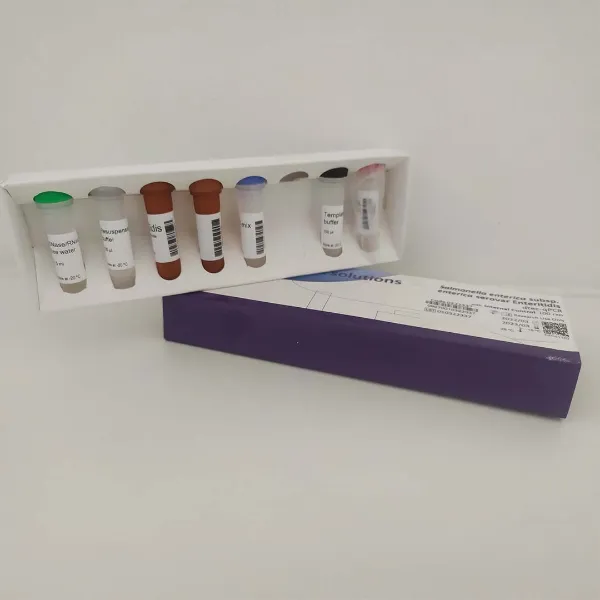
Real Time PCR Detection Kit Chicken anemia virus
The Real Time PCR detection Kit Chicken anemia virus comprises a series of specific targeted reagents designed for Chicken anemia virus detection by using qPCR.
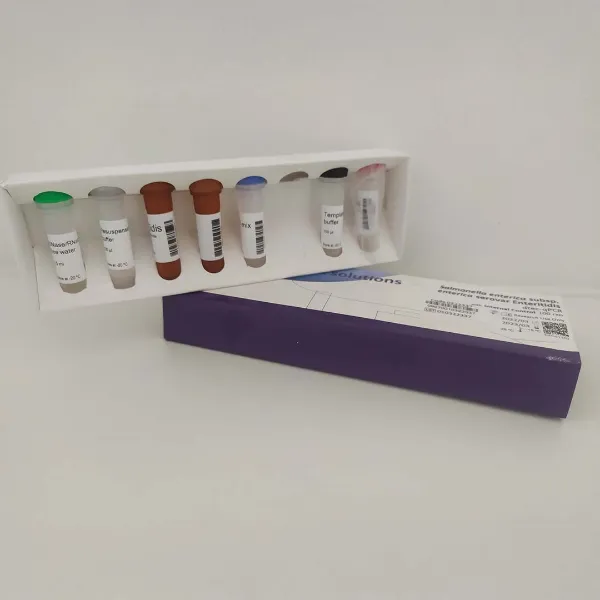
Real Time PCR Detection Kit Chikungunya virus
The Real Time PCR detection Kit Chikungunya virus comprises a series of specific targeted reagents designed for Chikungunya virus detection by using qPCR.
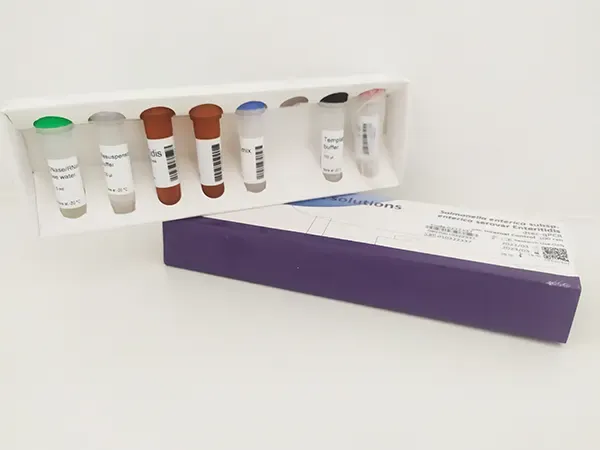
Real Time PCR Detection Kit Chlamydia abortus
Chlamydia abortus detection test kit by using qPCR. Formerly classified as ruminant C. psittaci serotype 1. C. abortus is endemic among ruminants and is responsible for producing spontaneous abortion, stillbirth, or delivery of weak lambs. It has been also associated with abortion in horses, rabbits, guinea pigs, mice, pigs, and humans. C. abortus infection generally remains inapparent until an animal aborts late in gestation or gives birth to a weak or dead fetus.
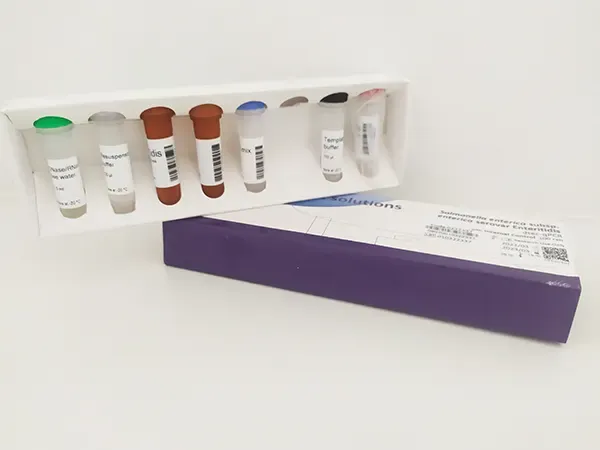
Real Time PCR Detection Kit Chlamydia felis C. psittaci C. abortus
Detection test kit of 3 species of Chlamydophila spp. (C.felis, C. psittaci, and C. abortus) by using qPCR. Chlamydia felis is an intracellular Gram-negative bacterium endemic among house cats. Chlamydophila psittaci is a lethal intracellular bacterial species that may cause endemic avian chlamydiosis, epizootic outbreaks in mammals, and respiratory psittacosis in humans. C. psittaci is transmitted by inhalation, contact, or ingestion among birds and mammals. Endemic throughout the world, C. abortus is the most common cause of infectious abortion in small ruminants (sheep and goats). It also causes abortion in cattle and pigs and represents a significant zoonotic risk to pregnant women.
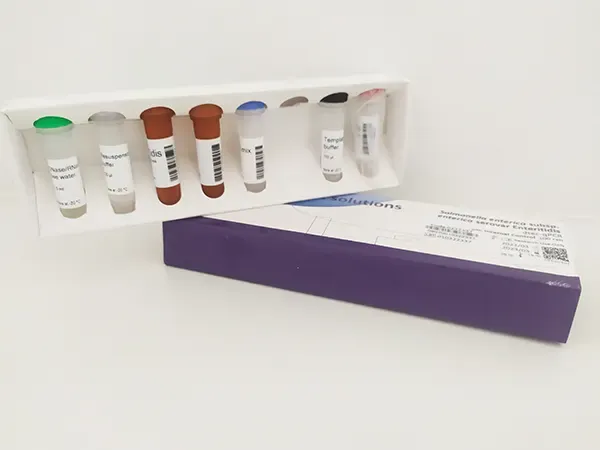
Real Time PCR Detection Kit Chlamydia pecorum
Chlamydia pecorum detection test kit by using qPCR. Also known as Chlamydophila pecorum it has been isolated only from mammals: cattle, sheep, goats (ruminants), koalas (marsupials), and swine. The most important manifestations including infectious arthritis, infertility, enteritis, reduced growth rates, mastitis, and pneumonia.
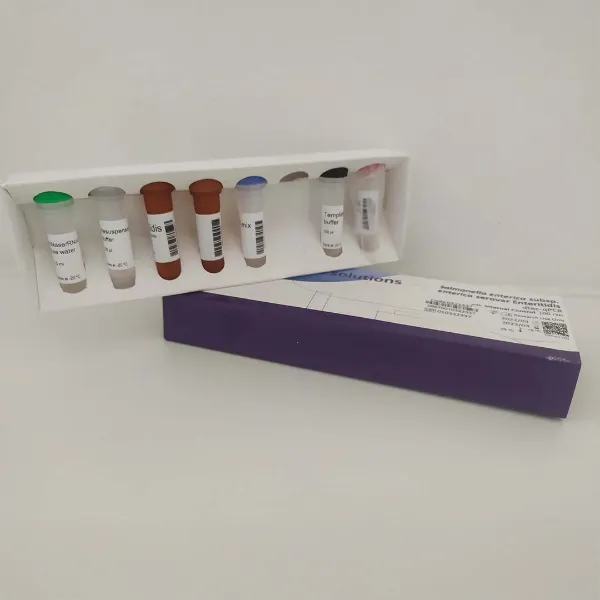
Real Time PCR Detection Kit Chlamydia psittaci
The Real Time PCR detection Kit Chlamydia psittaci comprises a series of specific targeted reagents designed for Chlamydia psittaci detection by using qPCR.
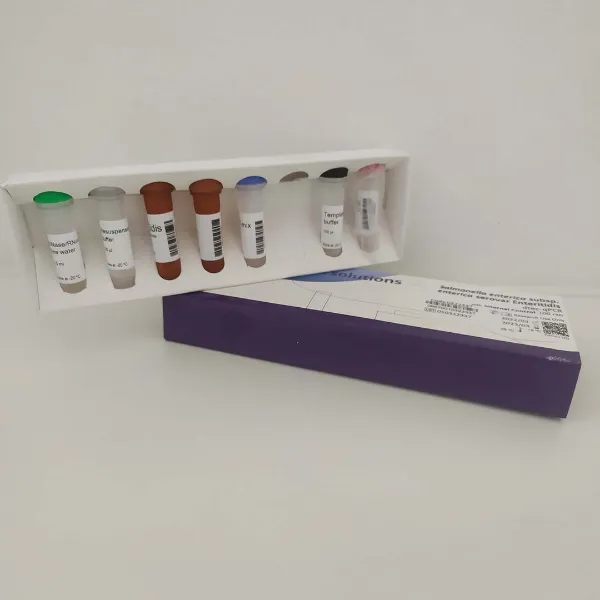
Real Time PCR Detection Kit Chlamydia spp
The Real Time PCR detection Kit Chlamydia spp comprises a series of specific targeted reagents designed for Chlamydia spp. detection by using qPCR.
Real Time PCR Detection Kit Chlamydia suis
Chlamydia suis detection test kit by using qPCR. The only known natural host is the pig. C. suis in pigs has been associated with conjunctivitis, rhinitis, pneumonia, enteritis, periparturient dysgalactiae syndrome, reproductive disorders, and inferior semen quality and apparently asymptomatic infections.
Real Time PCR Detection Kit Citrus exocortis viroid (CEVd)
Detection test kit of all serotypes of Citrus exocortis viroid species by using qPCR. Citrus exocortis viroid is easily transmitted mechanically. It infects many species in the Rutaceae and a few in the Solanaceae and Compositae. Citrus exocortis viroid is responsible for exocortis disease, other names for the disease are ‘scaly butt’ and ‘Rangpur lime disease’. Disease symptoms develop when infected budwood is grown on susceptible rootstocks, and trees become stunted and yield poorly.
Real Time PCR Detection Kit Citrus psorosis phylotypes Panel
The Real Time PCR detection Kit Citrus psorosis phylotypes Panel comprises a series of specific targeted reagents designed for Citrus psorosis virus 1 and 2 detection by using qPCR.
Real Time PCR Detection Kit Citrus psorosis virus phylotype 1
Citrus psorosis virus phylotype 1 detection test kit by using qPCR. Citrus psorosis virus infect Citrus plants, grapefruit, mandarin, orange and tangerine, lemon, pomelo, and lime. External symptoms can be exhibited in leaves, fruit, bark, trunk, roots, and branches. Leaf infection displays chlorotic flecks, or a decrease in chlorophyll/healthy coloring, mottling, and spots; fruit may show ring-like chlorotic areas.
Webmaster  Refresh Multimedia
Refresh Multimedia