

Cookies help us deliver our services. By using our services, you agree to our use of cookies.
Filter by attributes
- Technology
Recently viewed
GPS
Sort by
Display
per page
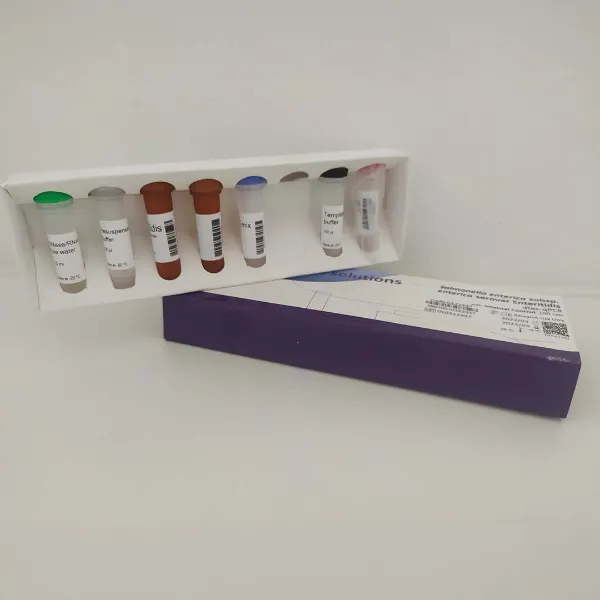
Real Time PCR Detection Kit Turkey astrovirus 2 & Avastrovirus 1 Duplex
The Real Time PCR detection Kit Turkey astrovirus 2 & Avastrovirus 1 Duplex contains individual ready-to-use tubes containing all the components needed for Turkey astrovirus 2 and Avastrovirus 1 detection by using multiplexed qPCR.
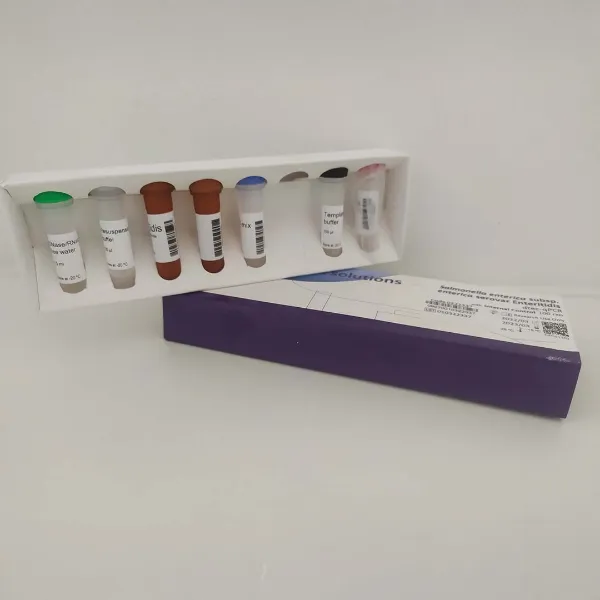
Real Time PCR Detection Kit UK-variant B.1.1.7 SARS-CoV-2
The Real Time PCR detection Kit UK-variant B.1.1.7 SARS-CoV-2 comprises a series of specific targeted reagents designed for UK-variant B.1.1.7 SARS-CoV-2 detection by using qPCR.
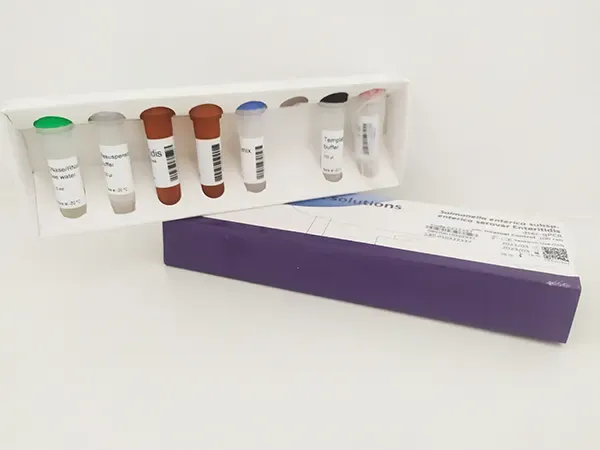
Real Time PCR Detection Kit Ureaplasma diversum
Ureaplasma diversum by using qPCR. Ureaplasma diversum is a common inhabitant of the vagina and prepuce of cattle which has been associated with various reproductive problems. In cows, vaginitis is a common symptom, with endometritis, salpingitis, early embryonic death, weak calves, and decreased conception rates also reported during and after pregnancy. In bulls, balanoposthitis, impaired spermatozoids, and seminal vesiculitis have been observed. Abortions are usually single, but severe outbreaks occur on occasion.
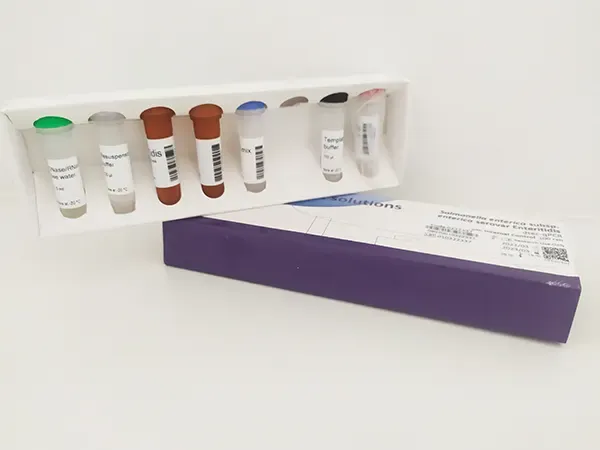
Real Time PCR Detection Kit Ureaplasma urealyticum
Ureaplasma urealyticum detection test kit by using qPCR. Ureaplasma urealyticum is commonly found in sexually active humans. U. urealyticum is present as a pathogen in pelvic inflammatory disease and had also been associated with a number of diseases in humans, including nonspecific urethritis, infertility, chorioamnionitis, stillbirth, premature birth, and, in the perinatal period, pneumonia, bronchopulmonary dysplasia, and meningitis.
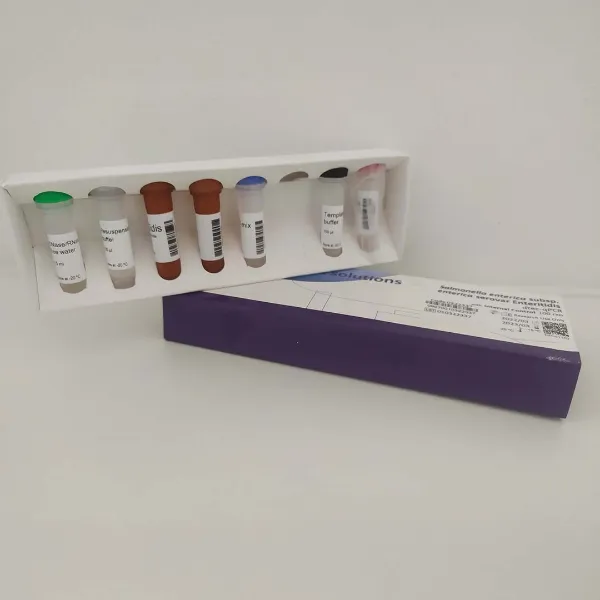
Real Time PCR Detection Kit Vancomicin resistance vanA
The Real Time PCR detection Kit Vancomicin resistance vanA comprises a series of specific targeted reagents designed for Vancomicin resistance vanA detection by using qPCR.
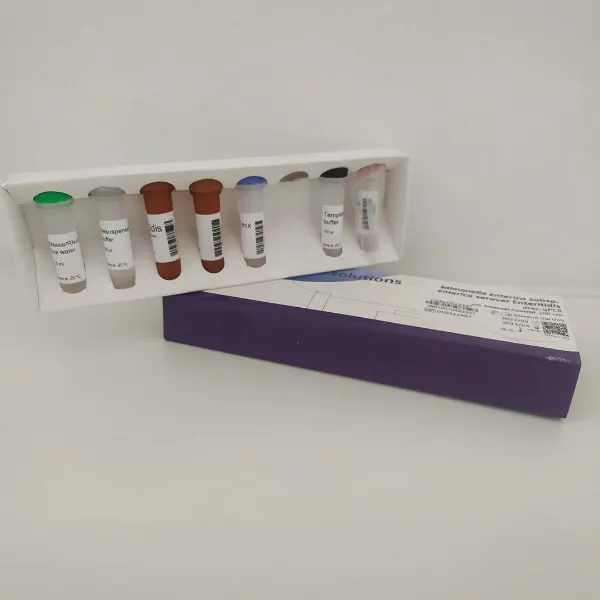
Real Time PCR Detection Kit Vancomicin resistance vanB
The Real Time PCR detection Kit Vancomicin resistance vanB comprises a series of specific targeted reagents designed for Vancomicin resistance vanB detection by using qPCR.
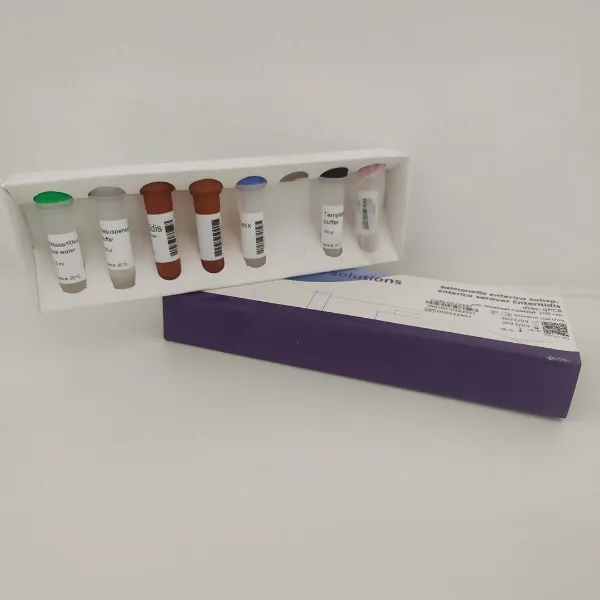
Real Time PCR Detection Kit Vector-Borne Pathogens Panel
The Real Time PCR detection Kit Vector-Borne Pathogens Panel (Leishmania spp. and Ehrlichia spp.) comprises a series of specific targeted reagents designed for Leishmania spp. and Ehrlichia spp. detection by using qPCR.
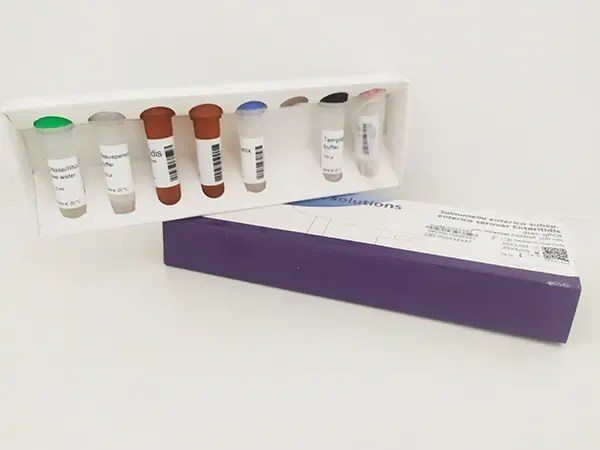
Real Time PCR Detection Kit Verticillium dahliae
Verticillium dahliae detection test kit by using qPCR. Verticillium dahlia is a fungal plant pathogen with a cosmopolitan distribution that can infect many plant genera. Agricultural hosts include spinach, strawberries, lettuce, and artichokes, among others. The most common way to introduce V. dahliae in the field is by infected stock being planted. Once the pathogen is in the field it can be moved by wind, water, and soil. This a very difficult pathogen to control because it can persist in the soil for years without a susceptible host. V. dahliae can cause significant losses in yield due to reduced photosynthesis if the plant survives.
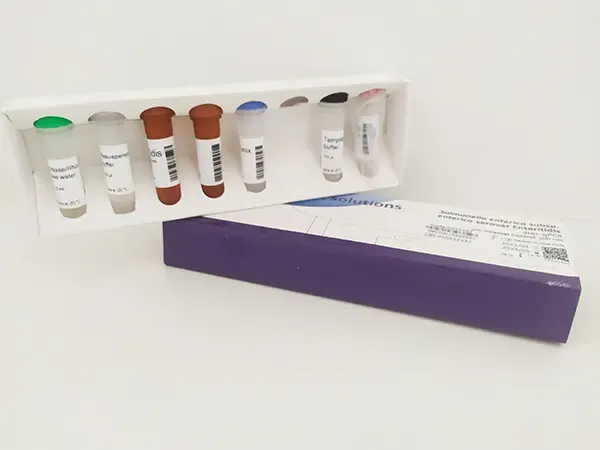
Real Time PCR Detection Kit Vibrio cholerae
Detection test kit of Vibrio cholerae strains by using qPCR. Some strains of V.cholerae cause the disease cholera.
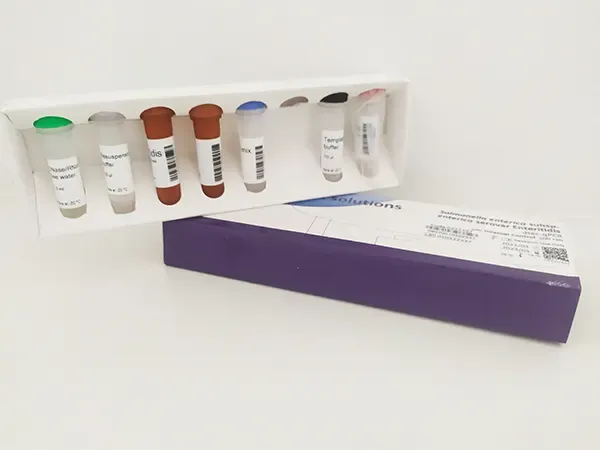
Real Time PCR Detection Kit Vibrio cholerae Tx
Detection test kit of pathogenic strains of Vibrio cholerae by using qPCR. Some strains of V. cholerae cause the disease cholera. V. cholerae pathogenicity genes code for proteins directly or indirectly involved in the virulence of the bacteria. During infection, V. cholerae secretes cholera toxin, a protein that causes profuse, watery diarrhea. Colonization of the small intestine also requires the toxin coregulated pilus, a thin, flexible, filamentous appendage on the surface of bacterial cells.
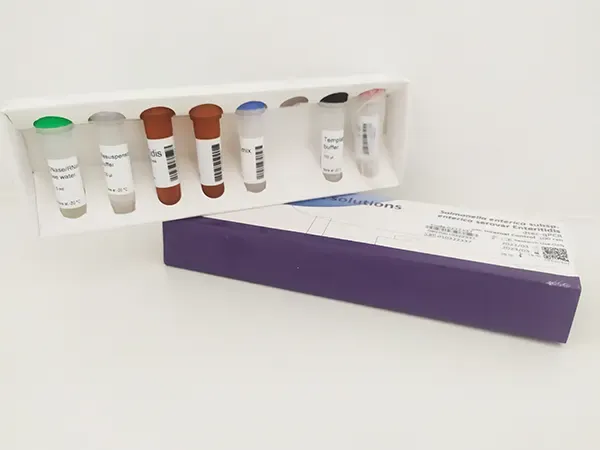
Real Time PCR Detection Kit Vibrio parahaemolyticus
Vibrio parahaemolyticus by using qPCR. Vibrio parahaemolyticus when ingested, causes gastrointestinal illness in humans. While infection can occur via the fecal-oral route, ingestion of bacteria in raw or undercooked seafood, usual oysters, is the predominant cause of the acute gastroenteritis caused by V. parahaemolyticus. Wound infections also occur, but are less common than seafood-borne diseases.
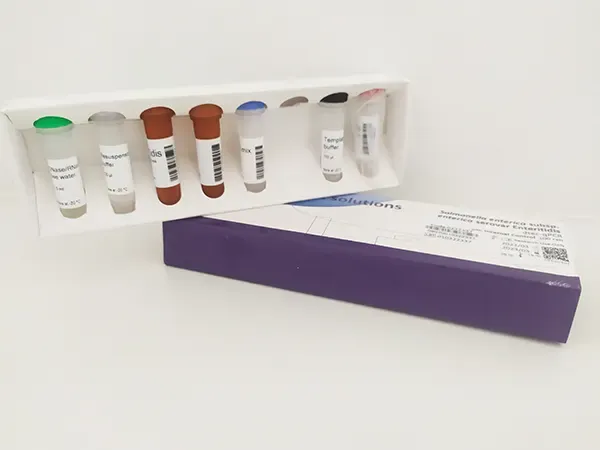
Real Time PCR Detection Kit Vibrio spp.
Vibrio spp. detection test kit by using qPCR. Vibrio are commonly found in marine or estuarine environments. However, they can be found in freshwater environments as well. Several species of the Vibrio genus can cause foodborne infection, usually associated with eating undercooked seafood. Despite most disease-causing strains being associated with gastroenteritis, can also infect open wounds and cause septicemia. Many Vibrio species are also zoonotic. They cause disease in fish and shellfish and are common causes of mortality among marine life. Some examples of pathogenic Vibrio species include V. cholera, V. parahaemolyticus, and V. vulnificus.
Webmaster  Refresh Multimedia
Refresh Multimedia